Stop 03 · Everyday Weather Notes
Layering for Fall When the Day Swings 30 Degrees
A 41-degree morning and a 71-degree afternoon need three light layers you can shed in order, starting with a boot that handles both.
By Danny Reyes, Everyday Editor
· 6 min read · 1,298 words
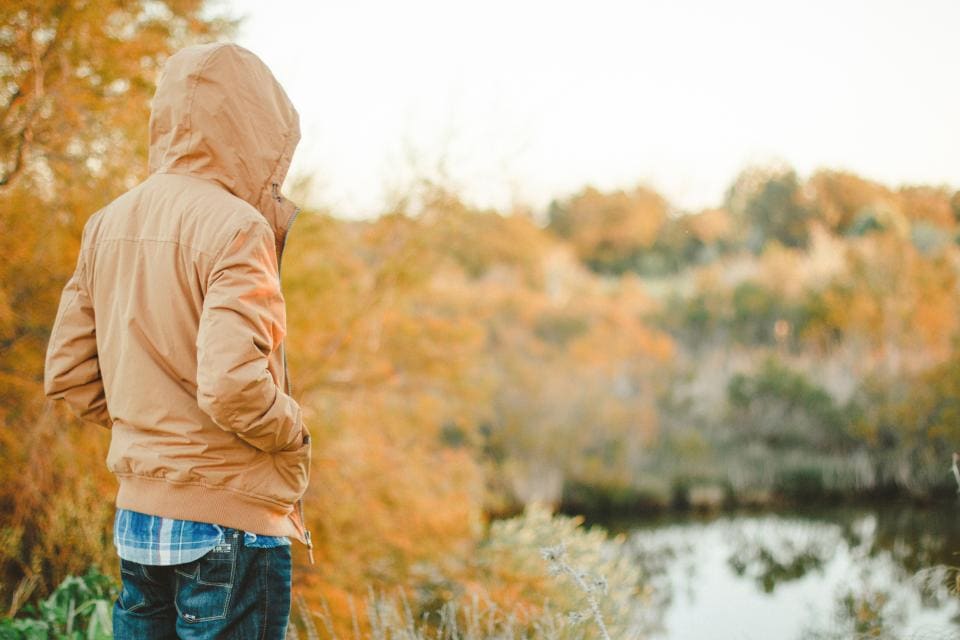
The forecast on my phone this morning read 41°F at 7 a.m. and 71°F at 3 p.m. That’s a normal October weekday where I live, and it’s the hardest weather of the year to dress for, because whatever you leave the house in will be wrong by lunch. My spreadsheet has a column for “regretted it,” and September through November fills it faster than January does.
Layering for fall comes down to three thin layers you can take off in order: a breathable shirt as the base, a light wool sweater in the middle, and an unlined jacket on top. Each one should cover about 10 degrees of the swing, and anything you remove should fit over one arm or into a bag. One heavy coat can’t do that. Three light pieces can.
Start with boots that can handle all 30 degrees
Your feet don’t get to shed a layer at noon, so the shoe has to be right for both ends of the day. A 41°F morning with wet grass wants leather and a real sole. A 71°F afternoon wants something you won’t be sweating into on the walk home. Canvas sneakers fail the morning. Insulated boots fail the afternoon.
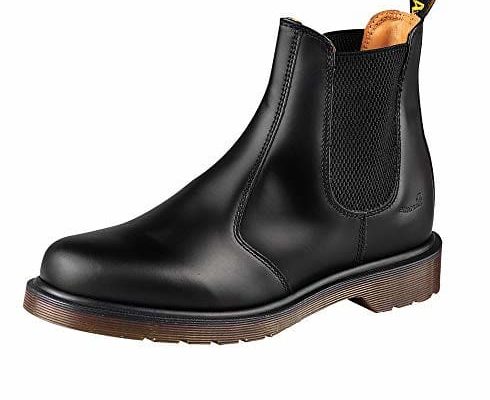
The boot I wear most from late September to Thanksgiving is the Blundstone #500, about $230. It’s a water-resistant leather Chelsea with elastic gussets and a shock-absorbing sole, and it goes on in five seconds, which matters more than it should at 7:15 with a lunch to pack. It’s comfortable for a full day and unbothered by puddles. The trade-offs are real, though. There are no laces, so you can’t tune the fit, and if your heels are narrow they may slip. I had about a quarter inch of lift for the first two weeks, which is normal up to a point; how a Chelsea boot should fit covers where that point is. And the injected sole can’t be resoled the traditional way, so when it’s worn through, the boot is mostly done.
Pair it with a mid-weight wool sock rather than a thick hiking sock. By afternoon a heavy sock in a pull-on boot feels like wearing a towel.
Three layers, each worth about 10 degrees
The math that makes layering for fall manageable: every layer should earn roughly 10 degrees. If the morning is 41°F and the afternoon 71°F, you need three layers on at the start, two by late morning, and one by mid-afternoon. On a typical day it plays out like this.
| Temperature | Wearing | Carrying |
|---|---|---|
| 40–50°F | Shirt, sweater, jacket | Nothing |
| 50–60°F | Shirt, sweater | Jacket |
| 60–70°F | Shirt | Sweater, jacket |
| 70°F and up | Shirt, sleeves rolled | Sweater, jacket |
The bottom row is why the weight of each piece matters. You’ll spend the warmest part of the day holding the other two, so a 4-pound wool overcoat that’s perfect at 7 a.m. is a dumbbell by 2 p.m. I made exactly this mistake for most of my twenties, and I have the shoulder knots to show for it.
Anything I can’t carry over one arm by 2 p.m. stays home.
The base layer is the one you’re stuck with
Whatever touches your skin stays on all day, so it has to work at both 41°F and 71°F. That rules out heavy flannel (too hot by afternoon) and a thin cotton tee (no structure, and once the sweater comes off you look like you lost your shirt somewhere).
My default is an oxford button-down. It breathes, it rolls to the elbow when the afternoon warms up, and the collar sits neatly over a crewneck in the morning. A heavyweight tee in 6 to 7 ounce cotton works on weekends. A merino tee is technically the best base layer I own, and I still rarely wear it, because it looks like gym clothes once everything else comes off.
Pants don’t layer, so pick one pair that handles the whole range: mid-weight chinos, or jeans around 13 to 14 ounces. Most of these days I wear the jeans from a year of breaking in raw denim. They’re warm enough at dawn and don’t feel swampy at three.
Wool does the middle layer best
The middle layer has the hardest job. It has to be warm enough to matter at 45°F, light enough to carry, and good-looking enough to be the outermost thing you wear for a few hours. Wool wins this for me every time. A merino or lambswool crewneck weighs well under a pound, stays warm if the morning drizzle catches you, and stuffs into a bag without coming out a wreck.
| Layer | Fabric I’d pick | Rough weight |
|---|---|---|
| Base | Oxford cloth or heavy cotton tee | 6–9 oz |
| Middle | Merino or lambswool crewneck | 10–14 oz |
| Outer | Unlined canvas or waxed chore coat | 1.5–2.5 lb |
I go back and forth on vests. A quilted vest is a perfectly good middle layer, warm in the core and easy to carry, but I’ve never figured out how to wear one without looking like I’m about to pick a pumpkin. You may have more luck.
Cotton sweatshirts are the trap. They feel great at 7 a.m., hold sweat at noon, and weigh about twice what a wool sweater does. Wool asks for some upkeep in return: fold it instead of hanging it, and check for moths in October, when the sweaters come out of storage. If yours are already pilling, read up on keeping knitwear in one piece before you buy replacements.
Rain changes the order
A dry 30-degree swing is easy once you’ve done it a few times. Add a 60 percent chance of afternoon showers and the outer layer goes from optional to permanent, because the one piece you’d normally carry is now the one you need at 4 p.m. On those days I swap the canvas coat for waxed cotton or a light shell and accept being a little warm at lunch. The sweater rides in the bag instead.
The boots matter more on wet days, too. Leather Chelseas shrug off puddles; suede chukkas and canvas sneakers soak through by the second block. Keep the jean hem short enough, a single cuff or a leg opening around 7.5 inches, that it sits on top of the boot shaft instead of wicking water up from the sidewalk. Wet denim at 45°F is the coldest thing I know, and I’ve had to learn that one twice.
Layering for fall means planning what you’ll carry
The outer layer should be unlined, or close to it. A canvas chore coat, a waxed cotton jacket, or a light shell will block wind and drizzle without trapping heat. Insulated jackets belong to December. If your morning includes a long wait on a cold platform, the logic shifts a little, and dressing for a cold commute gets into how.
Before you leave, run the arithmetic: what will you be wearing at 3 p.m., and where will everything else be? If the answer is “on a chair at the office,” fine. If you’re walking all day, the jacket needs to fold into a tote or hang off a strap without looking ridiculous. Canvas manages that; waxed cotton leaves marks on everything it touches. I keep a spare canvas tote at my desk for exactly this reason. There’s more on building a closet around days like this in our everyday section.
The verdict: Dress for a 30-degree fall day with three light layers, each good for about 10 degrees: an oxford shirt, a merino crewneck under a pound, and an unlined canvas chore coat, over mid-weight jeans or chinos. Put it all on a boot that handles a wet morning and a warm afternoon, like the Blundstone #500 at $230 if your heels don’t slip in it, and leave the heavy coat home until the lows stay under 40°F.
In this story
How we make money: some links below are affiliate links. If you buy through them, Via may earn a commission. It never changes the price you pay, and it never decides what we recommend. Full disclosure.
Mid · $100–$299
Blundstone #500 Chelsea Boot
A water-resistant leather pull-on boot with elastic gussets and a shock-absorbing sole; on in five seconds, comfortable for a full day.
Won't do: There are no laces to tune the fit, so narrow heels may slip, and the injected sole can't be resoled the traditional way.
Next stops
All Everyday guides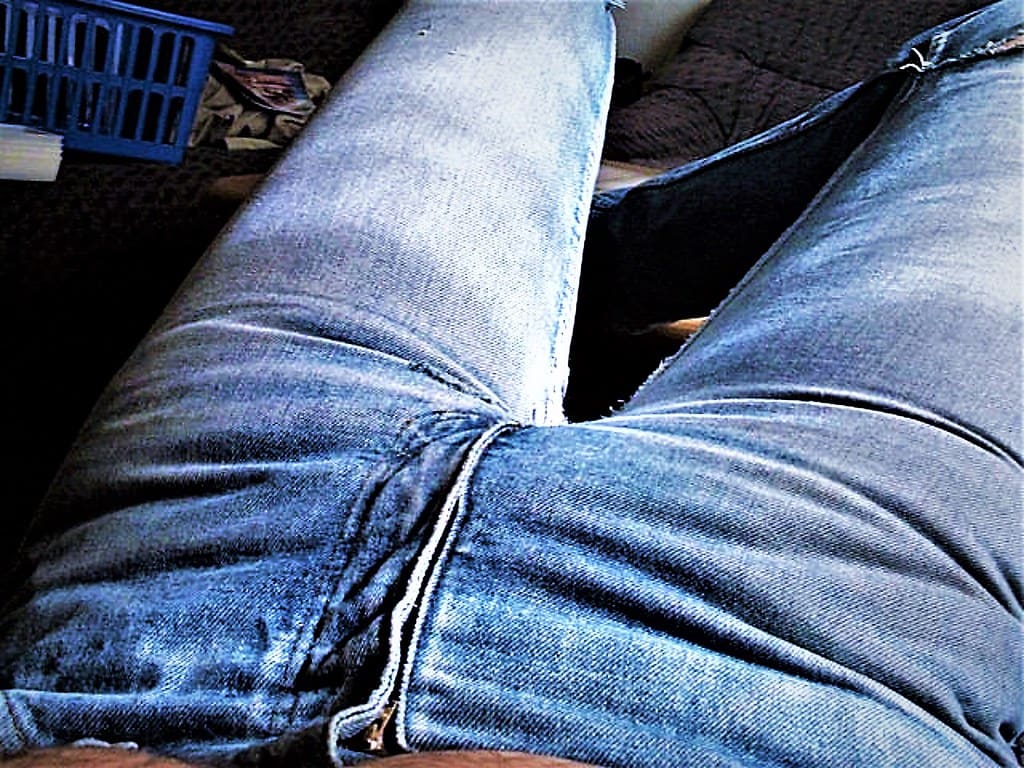
Raw Denim, Year One: What Actually Happens
A month-by-month account of breaking in one pair of raw jeans: the stiffness, the crocking, the first soak, and when fades actually show up.
Danny Reyes 6 min
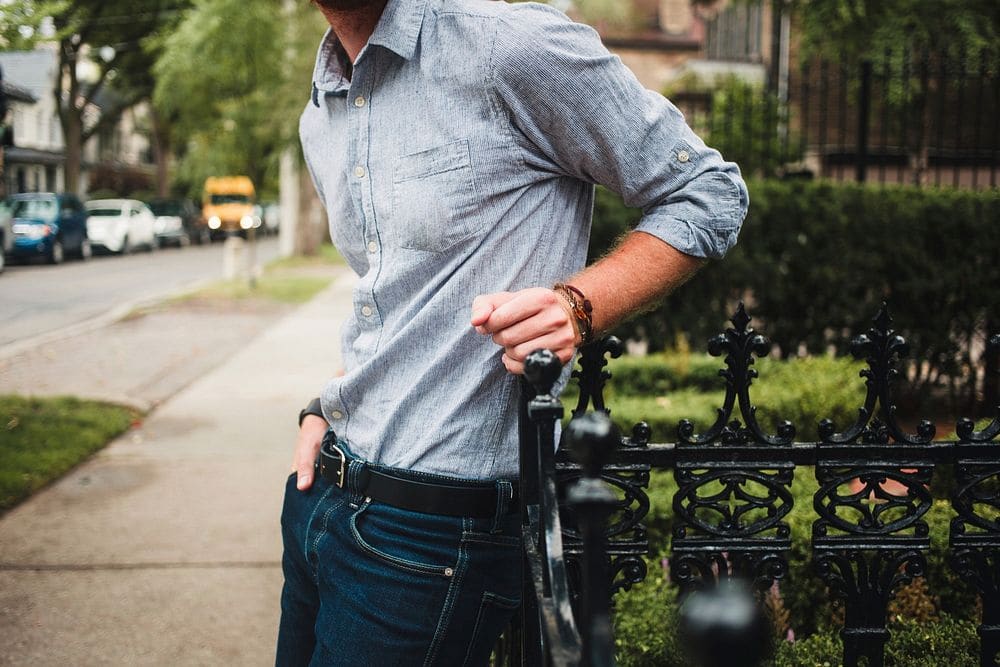
The Oxford Cloth Button-Down Is Still Undefeated
One shirt works with raw denim, chinos, a sport coat, and boots without changing anything. Why the OCBD keeps winning, and how to buy a good one.
Danny Reyes 9 min
Belt Sizing: Why Your Belt Isn't Your Waist Size
A belt is measured from the buckle fold to the center hole, not around your body, and that one length is the only number worth trusting.
Theo Lindqvist 5 min