Stop 01 · Footwear Fit Notes
Breaking In Stiff Shoes Without Wrecking Your Feet
Stiff leather softens on a schedule. Short wears, the right socks and a little patience beat every freezer, hair-dryer and wet-sock trick you've been told about.
By Marcus Hale, Footwear Editor
· 5 min read · 1,330 words
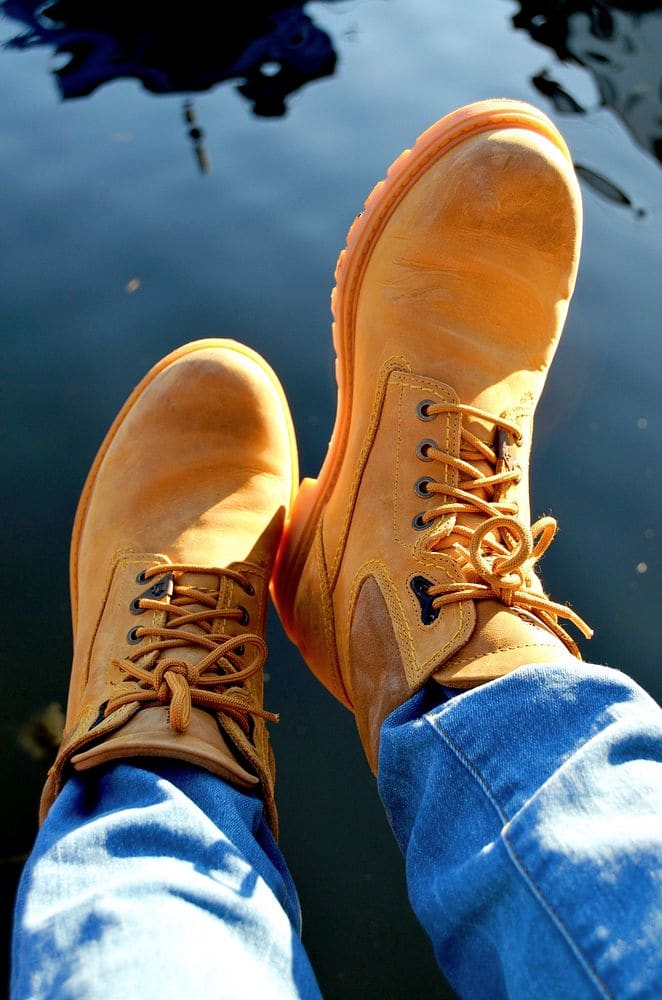
A stiff new shoe gets one of two treatments. Most men wear it for a nine-hour workday, limp home with a raw heel, and shove it to the back of the closet. A few wear it for ninety minutes on a Saturday and take it off. The second group has slippers by Halloween. The first group is back at the store, asking for a refund on a shoe that’s already crossed a parking lot. In nine years on a shoe-store floor I saw that return every week, heel lining rubbed shiny, shoe given exactly one chance.
So here’s how to break in shoes without the blisters. Wear them in short sessions, one to two hours every other day, in a sock that can take the friction, and stretch the sessions out over two to four weeks. Most dress shoes settle in about two weeks. A heavy welted boot takes closer to four. If the shoe still hurts in the same spot after a month, the fit is wrong, and more wear won’t fix it.
Stiff and small feel the same on day one
Pressure on your foot can mean leather that hasn’t softened yet, or a last that doesn’t match you. One goes away. The other doesn’t.
Stiff leather hurts where the shoe has to bend or mold: the flex point across the top of the foot, the back of the heel where the counter is still rigid, the top edge of a boot shaft. That pain shifts around and fades week by week.
Bad fit hurts at the edges. Little toe pressed against the side wall. Big toe touching the front. Leather gives a little in width, maybe a quarter size over a few months, and basically nothing in length. If your toes touch the end in the store, they’ll touch it in October.
So do the store test at home, on carpet: about half an inch past your longest toe, the ball of your foot at the widest point, heel lift under a quarter inch. If any of that fails, send them back. Sizing differences between brands trip up men who’ve worn the same number for twenty years.
A four-week plan to break in stiff shoes
This is the schedule I gave customers, and the one I still follow.
| Week | Session | How often | Where |
|---|---|---|---|
| 1 | 1–2 hours | Every other day | Indoors, on carpet |
| 2 | 3–4 hours | Every other day | Errands, short walks |
| 3 | Half a workday | 3–4 days | Office, commute |
| 4 | Full day | Alternate with another pair | Anywhere |
The house comes first because clean soles mean most stores will still take the shoes back. Walk one city block and that option’s gone.
The rest days matter as much as session length. The leather and lining need about 24 hours to dry out after a wear, and a damp lining rubs harder. That’s how a hot spot becomes an open blister.
Stop at the hot spot. A warm, rubbing patch at the heel is a blister about twenty minutes from now, so take the shoe off, tape the spot, and call that session done. Pushing through in week one costs you a week of healing.
Stop at the hot spot, because the blister is twenty minutes behind it.
Your socks do half the work
Most break-in blisters come from a thin sock sliding between a hard heel counter and your skin. A cushioned sock fills a little volume, takes the friction, and pulls sweat off your foot.
For boots, I use the Darn Tough Hiker Micro Crew Cushion, $27 a pair. It’s a cushioned merino blend that stays warm when damp, doesn’t hold odor through a long day, and carries a lifetime guarantee. Every boot I’ve broken in for the past few years went through its first month on this sock. It’s far too thick for dress shoes or loafers, though, and $27 feels steep for one pair until you count the cheap ones you stop replacing every winter. The longer case against cotton is in this guide to socks by fiber: cotton holds sweat against your skin, and wet skin blisters faster.
For a dress shoe, wear the thinnest wool sock that fully covers your heel. A thick sock in a snug oxford just makes it tighter.
One rule either way: break them in with the socks you’ll actually wear. Mold a boot around a thick sock and then switch to thin cotton, and by December the heel slips.
The Iron Ranger is the hard case
If you want to see a worst-case break-in, buy the Red Wing Heritage Iron Ranger 6-Inch Boot, $370. Oil-tanned leather, triple stitching, a Goodyear welt and a double-layer toe cap. The leather is thick and the counter is firm, so it’s heavy and stiff for the first month. Most wearers also size down half a size from their sneakers, which makes the first weeks tighter still.
Mine bit across the top of my big toe for the first ten days, where the toe cap ends, and the shaft rubbed a red line just above my ankle bone. I nearly gave up on them in week two. By week four both spots were gone and the boot creased where my foot creases.
Part of that molding happens underfoot. A Goodyear-welted sole has a layer of cork filler between the insole and outsole, and the cork compresses into the shape of your foot over the first several weeks. It’s the reason a welted boot is worth the month, and the reason you shouldn’t judge one on the first day.
| Shoe | Typical break-in | Where it usually hurts |
|---|---|---|
| Soft suede chukka | A few days | Almost nowhere |
| Unlined loafer | 1–2 weeks | Heel, top of instep |
| Leather-soled oxford | About 2 weeks | Flex point, back of heel |
| Welted work boot | About 4 weeks | Heel, ankle, toe cap |
Skip the freezer and the shower
Every few weeks a customer told me about a shortcut. Fill a zip bag with water, put it in the shoe, freeze it overnight. Wear the boots in the shower and walk them dry. Bake them with a hair dryer.
I’d skip all three. Soaking leather and drying it fast strips oil out of it, and that’s how you get cracks at the flex point a year later. Direct heat can soften the cement in a glued sole and shrink the leather. The ice bag does stretch a shoe, but it stretches wherever the bag pushes, which is rarely the spot that hurts.
What does help is slower and more boring. Bend the shoe by hand at the flex point a few dozen times before the first wear. Put a light coat of conditioner on dry, stiff leather (the difference between conditioner and cream or wax matters here, because wax stiffens). And if one spot still presses after two weeks, a cobbler can stretch that exact spot on a machine for about $15 to $25.
When the shoe wins
Sometimes it doesn’t give. If you hit week four and the pain is in the same place it was on day one, that’s fit, not stiffness. Width at the little toe can sometimes be stretched. Length can’t.
I learned that the expensive way. I kept a pair of oxfords for most of a year, sure they’d give at the little toe. They never did, and I sold them for a third of what I paid. If you’re picking a replacement, start with more footwear guides on sizing and construction before you buy.
The verdict: Do the fit test on carpet the day the shoes arrive, then follow the four-week schedule: one to two hours every other day, building to full days by week four, with tape on any hot spot. Break boots in with a cushioned wool sock like the Darn Tough Hiker, and give a welted boot like the Iron Ranger the full month before you judge it. If the same spot still hurts at week four, take it to a cobbler or sell the shoes.
In this story
How we make money: some links below are affiliate links. If you buy through them, Via may earn a commission. It never changes the price you pay, and it never decides what we recommend. Full disclosure.
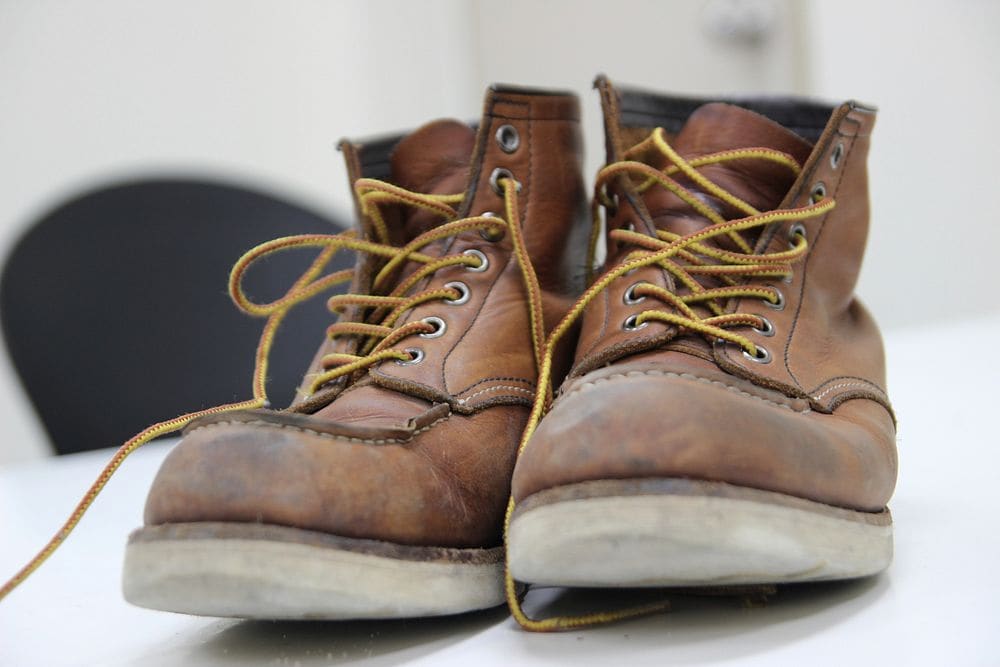
Investment · $300+
Red Wing Heritage Iron Ranger 6-Inch Boot
A triple-stitched, Goodyear-welted lace-up work boot in oil-tanned leather with a double-layer toe cap; it molds to the foot and resoles for years.
Won't do: Heavy and stiff for the first month, and most wearers size down half a size from their sneakers.
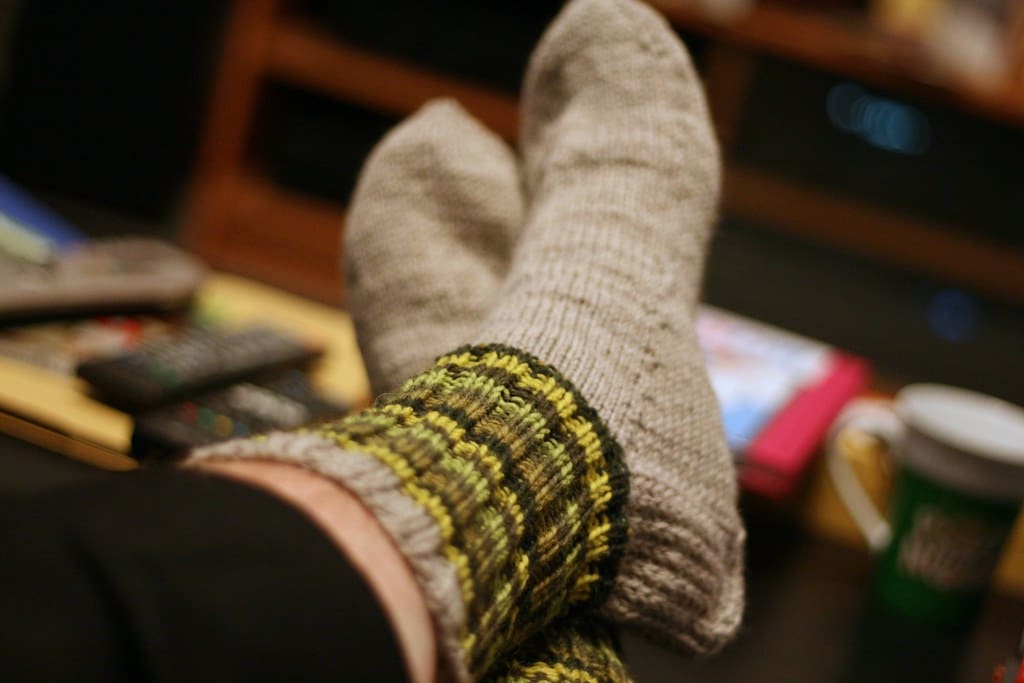
Entry · under $100
Darn Tough Hiker Micro Crew Cushion
A cushioned merino-blend boot sock with a lifetime guarantee; warm when damp, and it doesn't hold odor through a long day in boots.
Won't do: Far too thick for dress shoes or loafers, and pricey per pair until you count the replacements you won't buy.
Next stops
All Footwear guides
Goodyear Welting, Explained: What You're Actually Paying For
A welt is a strip of leather and two rows of stitching, and understanding it can save you hundreds of dollars over ten years of wear.
Marcus Hale 6 min

Why You're a 10 in One Brand and a 9.5 in Another
The number on the box is one factory's guess about your foot. Measure once, learn how lasts and shoe types run, and you'll stop returning pairs.
Marcus Hale 6 min
Cream, Wax, or Conditioner: What Each One Actually Does
Three tins, three different jobs. Use them in the right order and your leather stays supple and protected; mix them up and you build a mess.
Walt Brennan 5 min