Stop 04 · Accessories Buying Guide
Socks Matter More Than You Think: A Guide by Fiber
A sock is the layer between your foot and a $400 shoe. Read the fiber label first, and you'll buy fewer pairs that last much longer.
By Theo Lindqvist, Accessories Editor
· 6 min read · 1,316 words
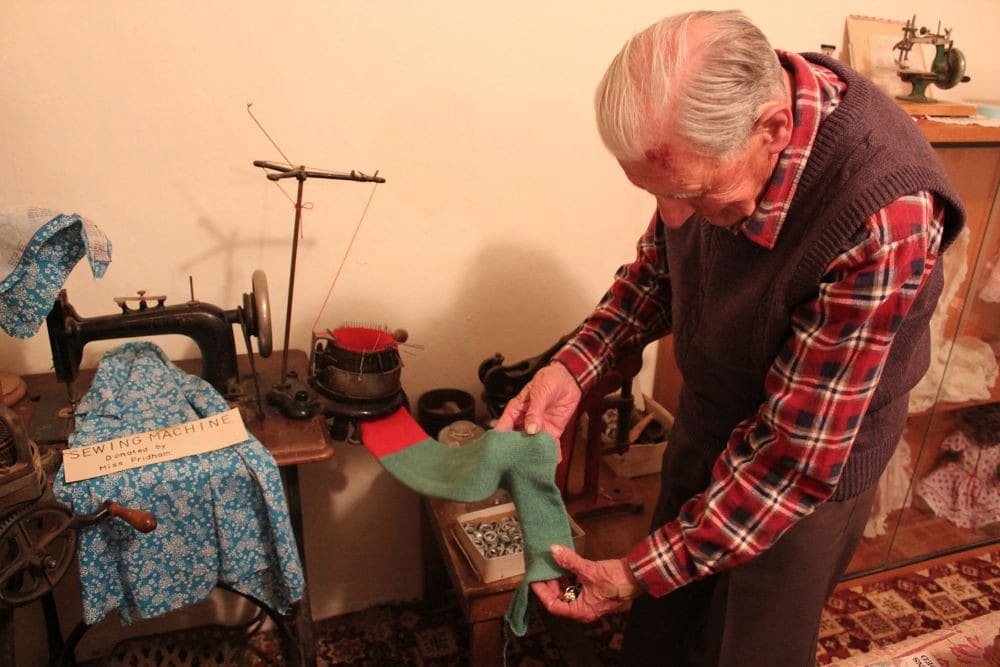
It’s four in the afternoon, you’ve been walking between meetings since eight, and your good shoes have started to feel like someone else’s. You blame the shoes. Most days the culprit is half an ounce of cotton that soaked through by noon and has been sitting against your skin, wet and cooling, ever since.
The best sock material for everyday wear is a merino wool blend: mostly merino for warmth and odor control, with nylon for durability and a little elastane so the sock stays up. Cotton is fine for a short day at a desk. For anything longer, the fiber label matters more than the brand or the price.
I trained as an industrial designer, and the lesson that transfers best from that work is that the layer touching the skin decides how everything else feels. For your feet that layer is the sock. It’s the cheapest part of the outfit and the one most men buy by color and price alone. I did too, for about a decade, in twelve-packs.
Read the label before the price
Turn any sock over and find the composition. It’ll read something like 68% merino wool, 30% nylon, 2% elastane. Each of those numbers has a job.
The primary fiber, the biggest percentage, decides how the sock handles moisture and temperature. Nylon keeps the heel from wearing through in a season. Elastane, often sold as spandex, makes the sock spring back instead of sagging around your ankle by lunch. Leave out the nylon and the heel goes in months; leave out the elastane and the cuff slouches.
| Fiber | Wet performance | Odor | Typical price |
|---|---|---|---|
| Cotton | Holds water, goes cold | Poor | $3–$8 |
| Mercerized cotton | Better, still absorbs | Fair | $15–$25 |
| Merino wool | Warm when damp | Very good | $18–$30 |
| Polyester or acrylic | Wicks, feels clammy | Poor | $3–$10 |
| Silk blend | Thin, dries fast | Fair | $25–$40 |
Sizing is printed just as loosely. Socks come in bands covering three or four shoe sizes; at the edge of a band, size up. Your shoe size is shakier than you think anyway, as anyone who’s been a 10 in one brand and a 9.5 in another knows. It’s the same trap as buying a belt by your waist size: the number describes a range, not your foot.
Cotton is the default, and the default is wrong
Plain cotton is soft, cheap and familiar, which is why it fills most drawers. It’s also hydrophilic: it absorbs water readily and gives it up slowly. Your feet sweat all day inside a closed shoe, and a cotton sock holds that moisture against the skin, where it loses most of its insulation and gives odor bacteria a damp place to work. It also pushes moisture into the leather lining of your shoes, which is where the salt lines and cracking you later blame on the shoe begin.
Mercerized cotton, sometimes labeled lisle, is a different animal. The yarn is treated under tension so it comes out smoother and stronger, with a slight sheen. Knit fine, it makes a good dress sock for warm months, and it holds dye well, so a navy stays navy after fifty washes. It’s still cotton, though. It handles a day at a desk. It doesn’t handle a long day on your feet.
Polyester and acrylic move sweat along the fiber rather than absorbing it, which works fine for a 5-mile run. Over a full day in leather shoes they turn clammy and hold odor. As the minority share of a merino blend, nylon earns its place. As the whole sock, synthetics belong in a gym bag.
I don’t own plain cotton socks anymore. I couldn’t find a job that some other fiber didn’t do better.
The sock is the cheapest thing you’re wearing, and by four o’clock it decides how everything else feels.
The best sock material is a merino blend
Merino is the fiber I’d keep if I could only have one. The fibers are fine enough not to itch for most people, and wool can take on a good deal of moisture vapor before it feels wet. It stays warm when damp and resists odor well enough that a pair survives a long day, and in a pinch a second.
On its own, merino is weak. A pure merino sock will thin at the heel within months. The good ones are blends: roughly 50 to 70% merino for comfort, 20 to 40% nylon for abrasion, and 2 to 5% elastane for fit. Read the label for those ranges and you can skip most of the marketing copy. Wool does bring wool’s problems, moths included, and the cedar and cold-wash habits that work for keeping sweaters free of pills and holes work for a sock drawer too.
Merino also comes in every weight. A fine-gauge dress sock is as thin as cotton and works year-round. A cushioned boot sock is a different object, and I’ll name one. The Darn Tough Hiker Micro Crew Cushion costs $27 a pair. It’s a cushioned merino-blend sock with a lifetime guarantee, warm when damp, and it doesn’t hold odor through a long day in boots. The limitations are real: it’s far too thick for dress shoes or loafers, and $27 is a lot for one pair until you count the replacements you won’t buy. I own three pairs and wear them only in boots, mostly on cold commutes that start at the boots and end at a desk.
Thickness has to match the shoe
A shoe is sized around a sock of a particular thickness. Put a boot sock in a dress shoe and the vamp presses on your toes and the heel binds. Put a thin dress sock in a work boot and your foot slides forward with each step, which is how blisters start. Fiber decides comfort. Thickness decides fit.
| Shoe | Sock weight | Fiber |
|---|---|---|
| Oxfords, derbies | Fine gauge, thin | Merino or mercerized cotton |
| Loafers | Thin or no-show | Merino or silk blend |
| Sneakers | Light to medium | Merino blend |
| Leather boots | Medium cushion | Merino blend with nylon |
| Work boots | Heavy cushion | Merino blend with nylon |
Height matters too. With tailoring, wear over-the-calf so no skin shows when you cross your legs; mid-calf works for everything else. No-show socks need a silicone heel grip, or they’ll migrate under your arch within the hour. Color is simpler than people make it: match the sock to the trouser, not the shoe, a looser rule than the one about belts and shoes.
Ten pairs, two colors per weight
A drawer full of single orphans comes from buying variety. The fix is uniformity. I buy socks in two colors per weight: charcoal and navy for dress, gray and oatmeal for boots. When a pair goes, any other pair replaces it, and losing one sock no longer strands its mate.
How many you need is a rotation question. Ten pairs covers a week plus laundry day with a margin. I keep four dress, four casual and two boot weight, which is about right if you wear boots in winter. Wash them inside out, cold, and skip the dryer when you can; heat shortens elastane and felts wool. Retire a pair when you can see light through the heel held up to a window.
Ten pairs of merino blend at roughly $25 each is $250, which feels like a lot for socks. But a good blend lasts several years of rotation while cotton three-packs sag in a season, so over five years the best sock material is also the cheaper one. The same arithmetic runs through our other accessories guides, from belts to bags.
The verdict: Replace plain cotton with merino blends of roughly 50 to 70% merino, 20 to 40% nylon and a few percent elastane, and match the sock’s thickness to the shoe. Keep ten pairs in two colors per weight, and reserve a cushioned boot sock like the Darn Tough Hiker for boots only.
In this story
How we make money: some links below are affiliate links. If you buy through them, Via may earn a commission. It never changes the price you pay, and it never decides what we recommend. Full disclosure.
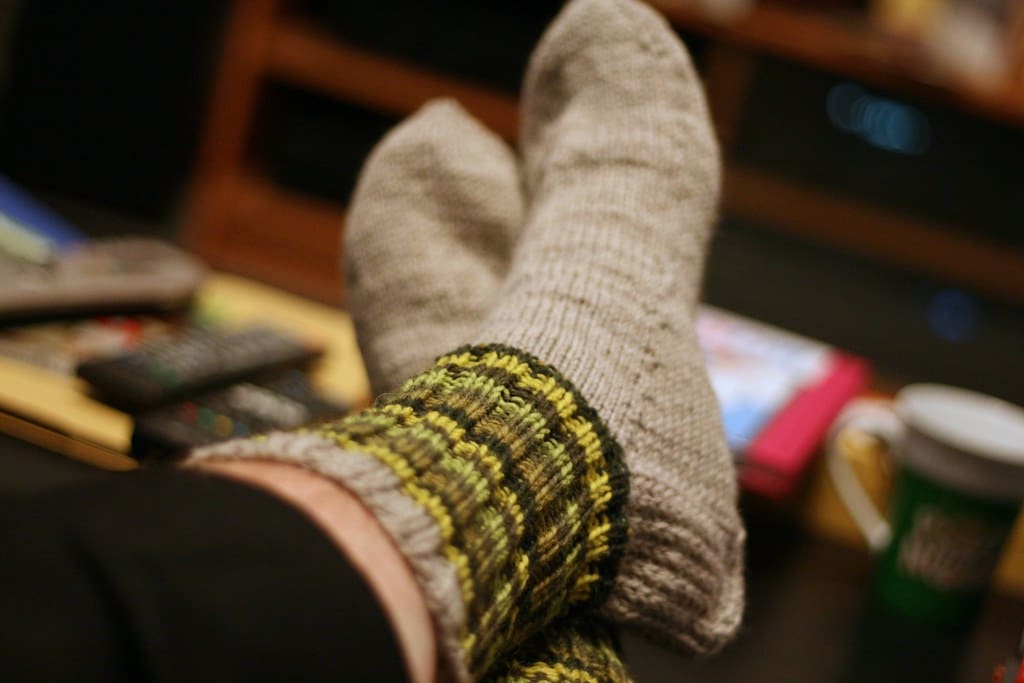
Entry · under $100
Darn Tough Hiker Micro Crew Cushion
A cushioned merino-blend boot sock with a lifetime guarantee; warm when damp, and it doesn't hold odor through a long day in boots.
Won't do: Far too thick for dress shoes or loafers, and pricey per pair until you count the replacements you won't buy.
Next stops
All Accessories guides
Belt Sizing: Why Your Belt Isn't Your Waist Size
A belt is measured from the buckle fold to the center hole, not around your body, and that one length is the only number worth trusting.
Theo Lindqvist 5 min
Do Your Belt and Shoes Have to Match?
With a suit, match them closely; with jeans, the rule loosens. It follows the trousers, and two belts are enough to cover it.
Theo Lindqvist 6 min

The Shoulder Is the One Fit You Can't Fix
Sleeves, waists, and hems are a tailor's daily bread, but a shoulder that is wrong in the store will be wrong for the life of the jacket.
Julian Okafor 8 min