Stop 06 · Field Guides Travel Plan
Packing a Week in a Carry-On, Starting With Two Pairs of Shoes
Shoes take up the most space and make the most decisions, so pick two pairs first and let the rest of the bag follow.
By Sam Whitaker, Field Guides Editor
· 5 min read · 1,019 words
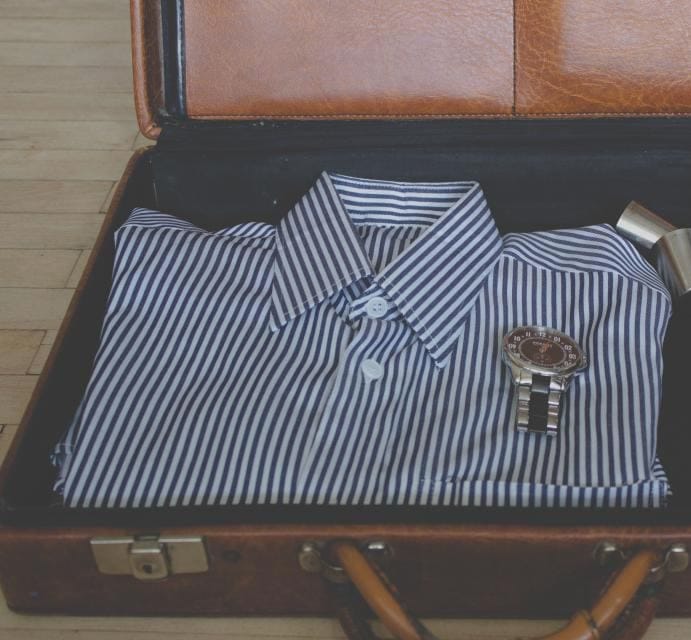
Twenty-two by fourteen by nine inches. That’s the box most US airlines give you for a carry-on, wheels and handle included, and every week-long trip I take now starts with that number and two pairs of shoes on the bedroom floor.
Shoes come first because they’re the bulkiest thing you’ll pack and the hardest to improvise on the road. A forgotten shirt costs you $30 at the nearest store. The wrong shoes cost you blisters on day two and a week of looking slightly off.
The short answer, if you need to pack a carry-on for a week tonight: wear one pair of shoes and pack one, keep every piece in two or three colors that all go together, and plan on three bottoms, five tops and one jacket. Wear the bulkiest things on the plane, and do one sink wash midweek.
Two pairs of shoes, and you wear the bigger one
Rule one is that neither pair is new. A trip is the worst place to discover a heel that rubs, and breaking in stiff shoes takes a couple of weeks at home, not a day of sightseeing on cobblestones.
My pair for the plane is the Clarks Originals Desert Boot, at $160. It’s a two-eyelet suede chukka on a crepe sole, light, and soft from the first day, which matters when you’re standing in a security line. It dresses up chinos for a client dinner and dresses down a sport coat, so it covers most of the trip’s evenings on its own.
It isn’t perfect for travel. The crepe sole wears quickly on concrete and picks up grit, and a week of airport floors and city sidewalks will show. And untreated suede is no match for a downpour, so I spray it before the trip and check the forecast. If the week looks wet, I’d swap it for a leather boot and accept the extra weight.
The packed pair is the Common Projects Achilles Low, at $450. A minimal white leather sneaker on a stitched rubber cupsole, it looks clean with tailored trousers and with jeans, which is exactly what a second travel shoe has to do. It’s what I walk in during the day.
Know where that $450 goes. You’re paying mostly for leather and finish, not for construction you’d find in a resoleable dress shoe. And white leather shows every crease and scuff, which a packed bag makes worse. Stuff each one with two pairs of rolled socks, slip them into a cloth bag, and set them heel-down against the wheel end of the case so nothing heavy sits on the toes.
I go back and forth on a third pair for trips with one formal evening. Most of the time I leave the dress shoes home and let the chukkas stand in, and nobody at the table has noticed yet. If the evening is a wedding or a black tie dinner, though, the third pair comes, and something else (usually the sweater) stays behind.
How to pack a carry-on for a week, piece by piece
Once the shoes are set, the colors follow. Brown suede and white leather both sit happily with navy, gray, olive and denim, so that’s the palette. Everything below should go with everything else.
| Item | Count | Worn or packed |
|---|---|---|
| Shoes | 2 pairs | 1 worn, 1 packed |
| Trousers or jeans | 3 | 1 worn, 2 packed |
| Shirts and knits | 5 | 1 worn, 4 packed |
| Jacket | 1 | Worn |
| Underwear and socks | 4 each | Sink-washed midweek |
| Sweater | 1 | Packed, rolled |
That’s the whole list. I used to pack seven of everything “just in case” and came home with half of it unworn, which is how I learned the arithmetic behind how few pieces is too few. Four pairs of socks and a bar of soap in the hotel sink get you through seven days with room to spare.
If a piece only goes with one other thing in the bag, leave it at home.
Roll the knits, fold the shirts
Rolling saves space with anything soft. T-shirts and sweaters roll tight and fill the gaps between the shoes. Collared shirts are different: fold them around a magazine-sized piece of cardboard, collars alternating, and lay them flat on top.
The jacket goes on your back, never in the bag. It’s the most crushable thing you own and the pockets hold your phone and passport anyway. When you land, hang it in the bathroom while you shower; steam drops the worst creases in ten minutes, the same trick I use for storing and pressing a suit at home.
Toiletries go in last, in a clear quart bag on top, with every bottle at 3.4 ounces or less. Most US airlines don’t weigh carry-ons, but plenty of international ones cap them somewhere between 15 and 22 pounds, and the packed sneakers alone come close to two pounds. Weigh the bag on a bathroom scale before you leave.
The week, worn
Monday through Wednesday, the boots and the sneakers alternate, which gives each pair a day to air out. For a work trip, gray trousers and an oxford shirt over the chukkas look exactly like the business casual office week I’d wear at home. On weekend days, jeans and the white sneakers carry you from breakfast to a late dinner.
One evening usually asks more of you than the rest. For that one, wear the darkest trousers and the crispest shirt under the jacket, with the chukkas brushed clean of airport grit. It reads as dressed without a single extra item in the bag.
If you’re flying somewhere hot, swap the sweater for a second linen shirt and pack lighter trousers. My notes on dressing for 90-degree days cover the fabrics. For other trips and occasions, browse more Field Guides.
The verdict: Wear the Clarks Originals Desert Boot ($160) on the plane and pack the Common Projects Achilles Low ($450) stuffed with socks, then fill the bag with three bottoms, five tops and one sweater in navy, gray, olive and denim. If the forecast says real rain, swap the suede boot for leather before you zip the case.
In this story
How we make money: some links below are affiliate links. If you buy through them, Via may earn a commission. It never changes the price you pay, and it never decides what we recommend. Full disclosure.
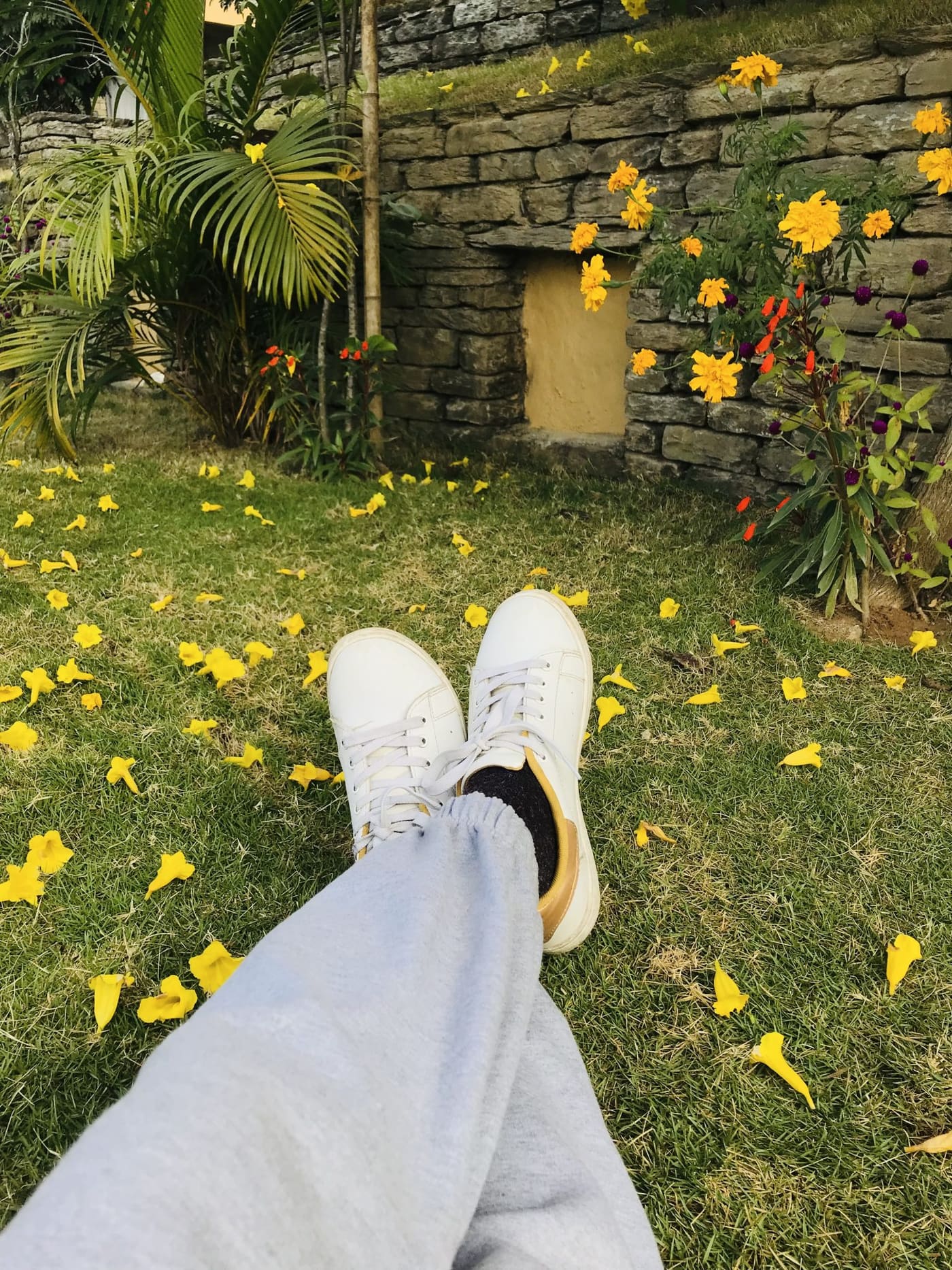
Investment · $300+
Common Projects Achilles Low
A minimal white leather sneaker with a stitched rubber cupsole that reads clean with tailoring as easily as with denim.
Won't do: You pay mostly for leather and finish rather than construction, and white leather shows every crease and scuff.
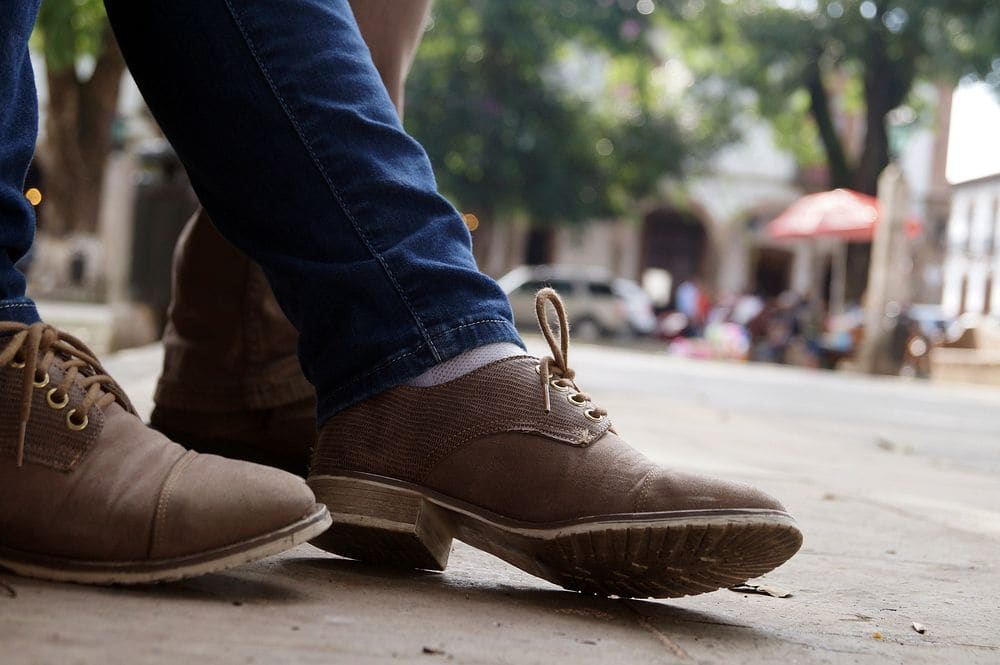
Mid · $100–$299
Clarks Originals Desert Boot
The two-eyelet suede chukka on a crepe sole: light, soft from day one, and the easiest way to dress up chinos or dress down a sport coat.
Won't do: The crepe sole wears quickly on concrete and picks up grit, and untreated suede is no match for a downpour.
Next stops
All Field Guides guides
Business Casual Without the Khaki Default
Two pairs of shoes, trousers in any color but tan, and a top half that does the rest: a business casual week that doesn't look like everyone else's.
Sam Whitaker 5 min
Dressing for 90-Degree Days Without Looking Sloppy
Open weaves, light colors, unlined shoes and a fit that skims instead of clings. Looking sharp in July is about fabric, not about wearing less.
Sam Whitaker 7 min
Breaking In Stiff Shoes Without Wrecking Your Feet
Stiff leather softens on a schedule. Short wears, the right socks and a little patience beat every freezer, hair-dryer and wet-sock trick you've been told about.
Marcus Hale 5 min