Stop 05 · Tailoring Buying Guide
Made-to-Measure vs. Off-the-Rack: Where the Money Goes
A made-to-measure suit buys you a pattern moved to fit your body, and for most men with an average build that's money better left with a good tailor.
By Julian Okafor, Tailoring Editor
· 4 min read · 1,045 words
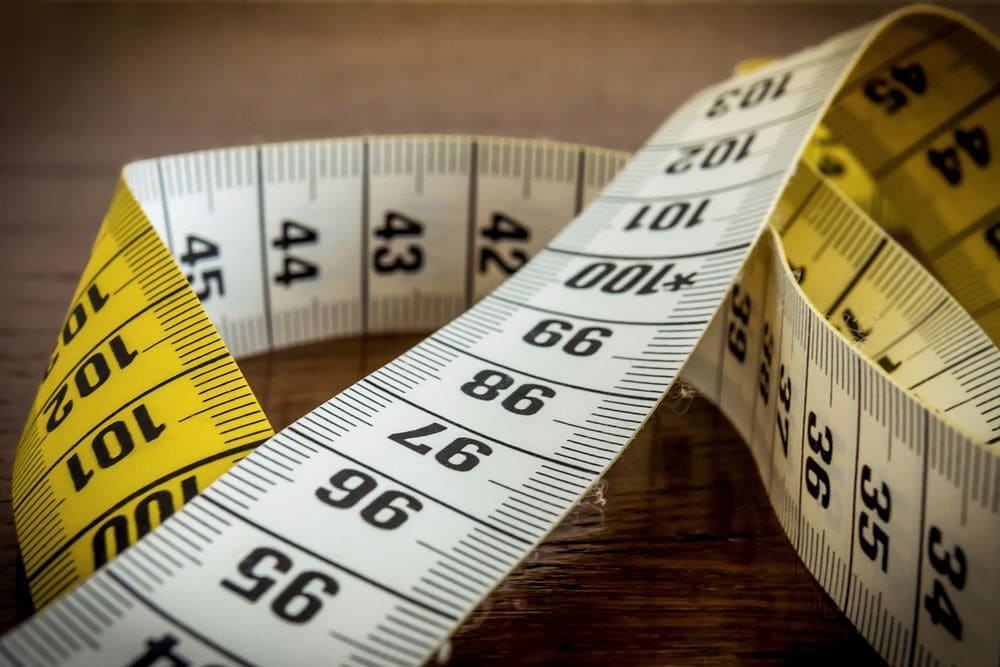
Of the $500 you pay for a decent off-the-rack suit, the cloth probably cost the maker somewhere between $60 and $90. Labor, freight, the brand’s margin and the store’s markup cover the rest, and the markup alone is often half the sticker. That’s the price of a suit hanging in your size on the afternoon you walk in, and it’s a fair one.
So the made to measure vs. off the rack decision is really a choice about what you spend on. Off the rack, at $300 to $800 plus $60 to $150 at a tailor, you pay for convenience and get a standard pattern corrected at its edges. Made-to-measure, at $600 to $1,500, pays for a pattern moved to fit your body before the cloth is cut. If ready-made jackets already fit your shoulders, buy off the rack and give the difference to a tailor.
I spent four years in the back of an alterations shop, and most of what crossed my table had come off a rack. A fair amount of made-to-measure came in too, usually for the last quarter inch.
The pattern is the product
A ready-made suit starts as one pattern, typically drafted for a 40 regular with a 6-inch drop (the difference between chest and waist), then graded up and down into a size run. If your body looks like that pattern scaled, you’re in luck. If it doesn’t, a tailor can only edit the edges: sleeves, waist, trouser hems, the handful of alterations worth paying for. The shoulder and the chest are cut into the pattern itself, which is why getting the jacket shoulder right settles most of this question before you’ve looked at a price tag.
Made-to-measure starts from a similar stock pattern, called a block, and moves its lines. A fitter takes 15 to 25 measurements, notes whether your shoulders slope or your right one sits lower, and the factory adjusts the block: half an inch off one shoulder, more room in the seat, a sleeve set to the quarter inch. The suit is cut singly and arrives in four to eight weeks.
Bespoke is a different animal. A cutter drafts a new pattern from nothing, you stand through three or more fittings over several months, and the bill starts around $4,000. Worth knowing about, and outside the budget of this piece.
Made-to-measure vs. off-the-rack, priced out
| Route | Typical total | Wait | Fittings |
|---|---|---|---|
| Off the rack, as is | $300–$800 | Same day | 0 |
| Off the rack + tailor | $360–$950 | 1–2 weeks | 1–2 |
| Made-to-measure | $600–$1,500 | 4–8 weeks | 2 |
| Bespoke | $4,000 and up | 3–6 months | 3+ |
Look at the overlap. An $800 made-to-measure suit and a $700 ready-made suit with $100 of tailoring cost you the same, and the difference is where the dollars landed. Off the rack, more of the money tends to show up in construction you can feel on the hanger, often a half-canvas chest at that price, and in the store’s margin. Made-to-measure spends a share of it on pattern work and single-unit cutting, and some houses hit the $800 mark by fusing the chest (gluing an interlining in place of a floating canvas). Ask which chest you’re getting. Canvas against fusing is the tailoring cousin of a welted sole against a glued one: invisible the day you buy it, obvious by the third year.
Off the rack, you’re wearing a pattern somebody else’s body suggested.
Two inches of drop changes the math
My own numbers are dull. Chest 40, waist 34, the 6-inch drop half the factories in the world seem to have drafted from. I’ve never ordered made-to-measure for myself and don’t expect to.
Your numbers may be less cooperative. An 8-inch drop or more (swimmers, lifters) means the jacket that fits your chest balloons at the waist, and the one that fits your waist won’t button over your chest. A drop of 4 inches or less pulls the front open below the button. One shoulder sitting more than half an inch below the other, arms that need sleeves let down past the inch or so of cloth folded into a ready-made cuff, a rounded upper back: each of these is a pattern problem, and a tailor’s fix for them costs $150 or more and rarely looks clean.
So add it up in the store. Pin the jacket, price the alterations, and put that next to the sticker. If the work stays under about $150 and doesn’t touch the shoulders, buy off the rack. If it climbs past that or the shoulder needs moving, made-to-measure is the cheaper honest fit.
I once talked a customer with a forward-rolled posture into made-to-measure, sure it would solve everything. It got him most of the way. The collar still stood a quarter inch off his neck, and I lowered it for $50.
Treat your first order as a fitting
The risk with made-to-measure is that you pay before you see anything. A first order from any house tends to need a correction, because the block and your measurements are meeting for the first time. Before you pay, ask whether they’ll alter or remake the first suit at no charge, and get the answer in writing.
Get measured in the shirt and shoes you’ll wear with the suit, and stand the way you actually stand rather than the way you stand for a tape measure. Keep the first order plain: navy or charcoal, two buttons, notch lapel, so any fault you see is a fit fault and not a style regret. And don’t order for a date. If you need a suit for a wedding in five weeks, buy off the rack and book the tailor now; then check what the invitation’s dress code is asking for before you pick a color. The rest of the fit questions live in our tailoring guides.
The verdict: If an off-the-rack jacket fits your shoulders and the alterations come to $150 or less, buy off the rack and spend the savings on a good tailor. Go made-to-measure, budgeting $800 to $1,200 for a half-canvas chest and a written remake policy, only if your drop is 8 inches or more, 4 or less, or your shoulders need work no tailor should attempt. Leave bespoke until you own two suits you wear every week.
Next stops
All Tailoring guides
The Shoulder Is the One Fit You Can't Fix
Sleeves, waists, and hems are a tailor's daily bread, but a shoulder that is wrong in the store will be wrong for the life of the jacket.
Julian Okafor 8 min
Alterations Worth Paying For, and Three That Aren't
Most of what makes a suit look expensive costs under $60 at a tailor, and the jobs that cost three times that rarely deliver.
Julian Okafor 8 min

Wedding Guest Dress Codes, Decoded for Men
From black tie to beach, here is what each line on the invitation actually asks of you, planned the Via way: shoes first, then everything above them.
Sam Whitaker 9 min