Stop 04 · Accessories Proportion
Tie Width, Knots, and Proportion
Match the tie to your lapel within a quarter inch, scale the knot to your collar, and stop at the buckle. A ruler settles most of it.
By Theo Lindqvist, Accessories Editor
· 5 min read · 1,045 words

Most ties are the wrong width for the man wearing them, and he usually can’t say why the outfit looks off. He blames the suit, or the shirt, or his build. It’s the tie, and the fix is a ruler.
The right tie width matches your jacket’s lapel at its widest point, give or take a quarter inch. For most current suits that means 3 to 3.25 inches. The knot then scales to the collar spread, and the tip should touch the top of your belt buckle.
I wore 2.25-inch ties through most of my late twenties, against 3-inch lapels, because narrow looked modern. In photos from those years the tie reads as a cord. It took me an embarrassingly long time to hold a tape measure to the lapel and see the problem.
Tie width follows the lapel
A jacket front is a set of lines radiating from the collar: the two lapels, the edges of the shirt collar and the tie running down the center. When their widths agree, the eye reads one design. A tie much narrower than the lapels looks underfed; much wider, and it starts to look like a bib. A quarter inch either way is invisible. Three-quarters of an inch is obvious from across a room.
Measure your lapel at its widest point, just below the notch, perpendicular to the edge. Then buy ties within 0.25 inches of that number.
| Lapel width | Tie width | Typical jacket |
|---|---|---|
| 2.5 inches | 2.5–2.75 inches | Slim, short fashion cut |
| 3 inches | 2.75–3.25 inches | Most current suits |
| 3.5 inches | 3.25–3.5 inches | Classic or fuller cut |
| 4 inches | 3.5–3.75 inches | Wide-lapel double-breasted |
If you own one suit, this is the number that matters. A good first suit in navy will almost always have a lapel between 3 and 3.5 inches, so a 3.25-inch tie is a safe default for it.
Your frame adjusts the range
The lapel rule assumes the jacket suits your build, which a good one should. Size still adds a correction. A man with a 46-inch chest and broad shoulders looks better at the wide end, 3.25 to 3.5 inches, because a narrow tie on a big frame reads as a pinstripe. A slight man with a 36-inch chest can go down to 2.75 and look proportionate.
The same thinking runs down to the waist. A 1.25-inch dress belt sits in proportion with a 3-inch tie, and those two lines, one vertical and one horizontal, are often the only accessories a suit shows. Choosing a dress belt by width and length follows the same ratios.
Measure the lapel, buy the tie within a quarter inch of it, and you’ve solved most of the problem.
Pick the knot by collar spread
The knot should fill the space between your collar points without forcing them apart or leaving a gap. That means it scales to the collar, not to your mood.
| Knot | Knot width | Best collar | Length used |
|---|---|---|---|
| Four-in-hand | About 1.25 in | Point, button-down | Baseline |
| Half-Windsor | About 1.5 in | Semi-spread | About 2 in more |
| Windsor | About 2 in | Wide spread | About 4 in more |
The four-in-hand is the one I tie nine days out of ten. It’s slightly asymmetrical and a little narrow, and it suits point collars and button-downs, which is most of what I wear. The half-Windsor is the better choice for a semi-spread collar, and it’s tidy enough for a wedding or an interview. I’d save the full Windsor for a wide spread collar and a thin silk tie; tied in a heavy one, it turns into a fist under your chin.
Fabric changes all of this. A lined, heavy silk twill makes a four-in-hand the size of a half-Windsor in thin silk. Wool ties knot bulky, and knits, usually around 2.5 inches with a square end, should only ever get a four-in-hand.
The collar has to fit first. If it’s tight, any knot will look jammed into it, and measuring your neck for a dress shirt collar takes two minutes with a soft tape.
The tip should touch the buckle
Length is the third proportion. The tip of the blade should land at the top of your belt buckle or just touch the waistband. Above it, the tie looks like it shrank in the wash. Below it, you look like you borrowed it.
A standard tie is 57 to 58 inches long and suits most men up to about 6 feet 1 inch with a four-in-hand. Taller men, or anyone with a neck above 17.5 inches, should look for extra-long ties at 61 to 63 inches. A Windsor eats about 4 extra inches, which is why tall men who tie Windsors end up with the tip at their sternum.
The narrow back blade should be as long as the front or a little shorter, tucked through the keeper loop. If it hangs below the front, untie it and start again with the narrow end higher. It usually takes me two tries on a new tie before I know where to start it.
Ignore the trend cycle
Tie widths swing with fashion every fifteen years or so, from 2 inches to 4 and back. I’d ignore the swing. Your ties need to match your lapels, and your lapels change only when you buy a new jacket. Buy suits from the middle of the range and you can buy ties there too and keep them for decades.
I own five ties, four of them between 3 and 3.25 inches: a navy grenadine, a black grenadine, a navy repp stripe and a brown wool for fall. The fifth is a dark green knit at 2.75 that I wear only with a tweed jacket. That covers what to wear to a job interview, a wedding, a funeral and the few offices that still ask for one. Below the trouser hem, over-the-calf merino dress socks finish the same line, and the rest of our accessories guides work from the same tape measure.
The verdict: Measure your lapel and buy ties within 0.25 inches of it, which for most men means 3 to 3.25 inches. Tie a four-in-hand with point and button-down collars and a half-Windsor with a spread, buy 57-inch ties unless you’re over 6 feet 1 inch, and stop when the tip touches your buckle.
Next stops
All Accessories guides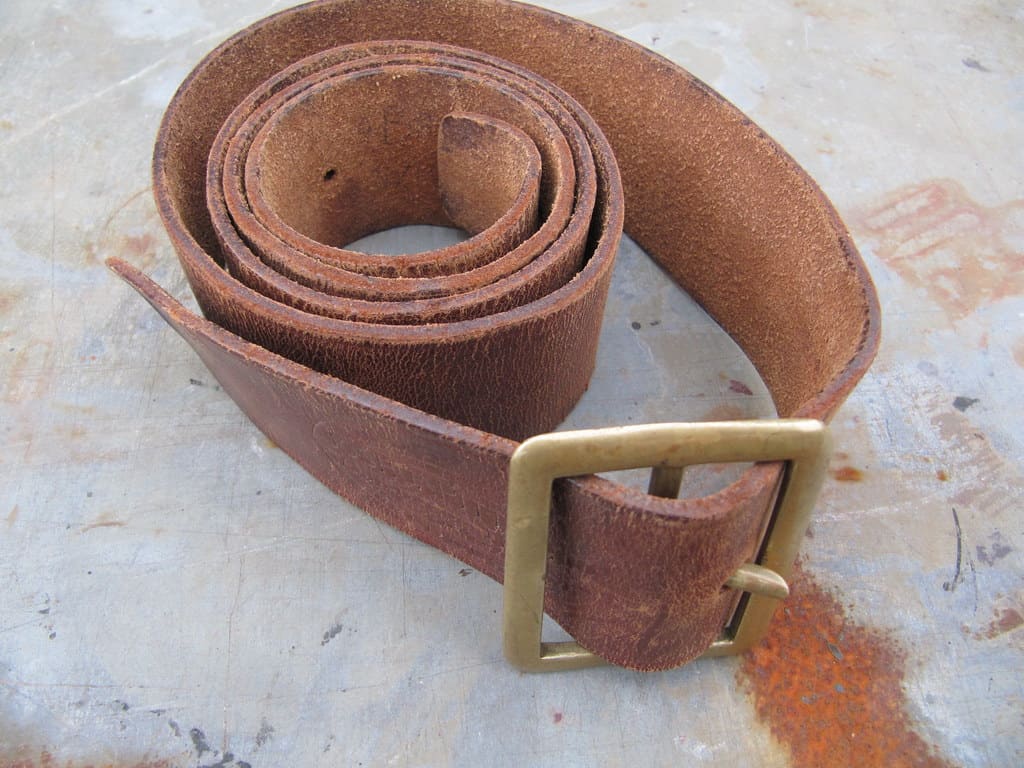
Belt Sizing: Why Your Belt Isn't Your Waist Size
A belt is measured from the buckle fold to the center hole, not around your body, and that one length is the only number worth trusting.
Theo Lindqvist 5 min
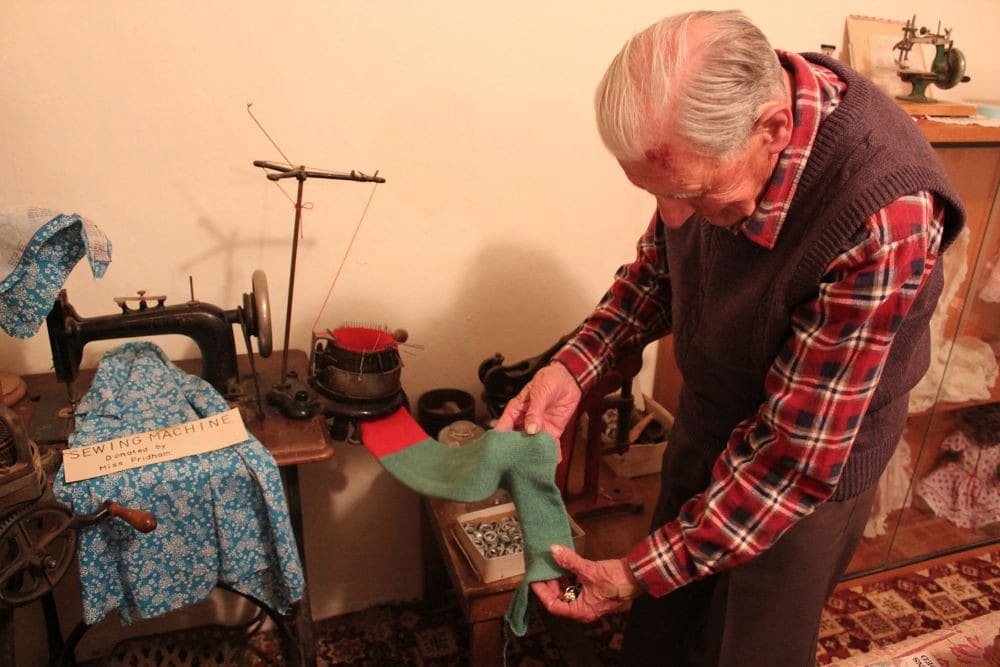
Socks Matter More Than You Think: A Guide by Fiber
A sock is the layer between your foot and a $400 shoe. Read the fiber label first, and you'll buy fewer pairs that last much longer.
Theo Lindqvist 6 min

Why Your First Suit Should Be Navy, Not Charcoal
Charcoal is the more serious color, but a first suit has to cover daytime weddings, interviews, and brown shoes, and navy covers more of them.
Julian Okafor 8 min