Stop 03 · Everyday Buying Guide
Buying White T-Shirts: Fabric Weight Over Brand
The number that decides whether a white tee lasts a year or goes see-through by June is printed in ounces, and most people never look for it.
By Danny Reyes, Everyday Editor
· 4 min read · 1,035 words

A reader emailed last month with a question I get in some form every few weeks: which brand makes the best white T-shirt? He’d bought five in a year, from five labels, and hated four. I asked him to check one thing on each, the fabric weight, and the pattern showed up immediately. The four he hated were all under 5 ounces.
So the short answer is this. The best white T-shirt is the one with the right fabric weight for how you wear it, and the brand matters much less. For most men that means cotton jersey around 5.5 to 6.5 ounces per square yard: opaque, clean in the drape, and tough enough for a year of weekly washing. Lighter shirts go see-through and twist. Heavier ones are great in October and miserable in July.
Start at the feet, the way we do here. A white tee goes with nearly every shoe you own, from canvas high-tops to work boots, and it sits especially well with clean white leather sneakers because the two read as one idea. That’s the reason to get it right. You’ll wear it with everything, so you’ll see its flaws everywhere.
Fabric weight is the number to find
T-shirt weight is listed in ounces per square yard, or in grams per square meter (gsm). Roughly, 150 gsm is 4.4 ounces, 180 gsm is 5.3, and 220 gsm is 6.5. Plenty of brands bury the number in the product details, and some skip it entirely. If it’s missing, ask, or hold the shirt up to a store window. If you can see your fingers through it, it’s too thin to wear on its own.
| Weight | Feel | See-through? | Typical lifespan |
|---|---|---|---|
| Under 4.5 oz | Thin, clingy | Yes, in white | 30–50 washes |
| 5–6 oz | Soft, opaque | Barely | 60–80 washes |
| 6.5–7.5 oz | Dense, structured | No | 100+ washes |
Weight also changes how the shirt hangs. A light tee clings to everything, including the parts of you that you’d rather it didn’t. A mid-weight one skims. A heavyweight tee stands slightly away from your body and holds its collar, which is why it looks best worn alone or under an open overshirt.
Weight isn’t the whole fabric story. Ring-spun or long-staple cotton feels smoother and pills less than open-end cotton at the same weight, and a tight knit holds its shape longer than a loose one. Those details are hard to verify from a product page, though, and the weight is usually printed right there. Start with the number you can check.
The best white T-shirt depends on your weather
This is where I part ways with the heavyweight crowd. A 7-ounce tee looks fantastic and feels like wearing a canvas tent on a humid 88°F afternoon. I own two and wear them from October to April. From May to September I’m in 5.5-ounce shirts, and on the worst days the advice on dressing for 90-degree heat helps more than any tee.
If you buy only one weight, make it about 6 ounces. It covers nine months of the year in most of the country, it’s opaque without being stiff, and it sits under an overshirt without bunching at the armpits.
Fit and collar fail before the fabric does
Weight is the first filter, but a heavy shirt that fits badly is still a bad shirt. The shoulder seam should sit at the edge of your shoulder. The sleeve should end around mid-bicep and lie close to the arm without gripping it. The hem should land around the middle of your fly, so it neither creeps out of a tuck nor hangs like a nightshirt.
The collar is where cheap tees die. Look for a ribbed neckband 3/4 inch to 1 inch tall, double-stitched, that snaps back when you pull it gently. A flimsy collar turns to bacon by the tenth wash. I’ve thrown out more shirts for wavy collars than for holes.
Check the side seams, too. Lay the shirt flat. If a seam already wanders toward the front, it’ll twist the whole body after a few washes, so put it back. Tubular tees, the kind knit in one round piece with no side seams at all, dodge that problem but tend to run boxy through the waist. If you’re slim, a seamed body cut with a little taper will look neater after a year than a tube ever will.
Spend $20 to $45, then stop
A well-made 6-ounce white tee runs about $20 to $45. Under $10 you’re usually buying 4-ounce cotton and a weak collar. Over $60 you’re mostly paying for a label, and a plain white tee is the last place a label shows.
| Price | What you usually get | Wears before it’s done |
|---|---|---|
| Under $10 | 4 oz, thin collar | 30–40 |
| $20–$45 | 5.5–6.5 oz, ribbed collar | 60–100 |
| $60 and up | Similar cloth, nicer label | 60–100 |
Wash whites cold with other whites, skip fabric softener (it builds up and grays the cotton), and hang dry or tumble low. If the shirt isn’t preshrunk, expect it to lose 5 to 6 percent in length on the first hot dry, so buy with that in mind. When the underarms yellow or the collar waves, demote it to gym or paint duty.
A white tee is the last place a label shows.
Three is the number I’ve landed on. My spreadsheet says I wear a white tee about once a week in summer, so three in rotation means roughly 25 wears each per season, and they wear out together, which makes replacing them simple. That trio fits neatly into a small, hard-working wardrobe, and it’s the base of my go-to weekend outfit. The shirts also roll small, which is why my plan for a week in a carry-on starts with them. You’ll find the rest of the basics in more everyday buying guides.
The verdict: Ignore the brand and buy three white tees in 5.5 to 6.5 ounce cotton (about 180 to 220 gsm) with a ribbed collar at least 3/4 inch tall, for $20 to $45 each. Add a pair of 7-ounce tees for the cold months only if you’ll actually wear them, and retire any shirt to gym duty the day its collar starts to wave.
Next stops
All Everyday guides
Building a Weekend Uniform You Won't Get Tired Of
Fix the formula, rotate the parts: a two-shoe weekend uniform that survives a year of Saturdays without turning into the same photo every week.
Danny Reyes 7 min
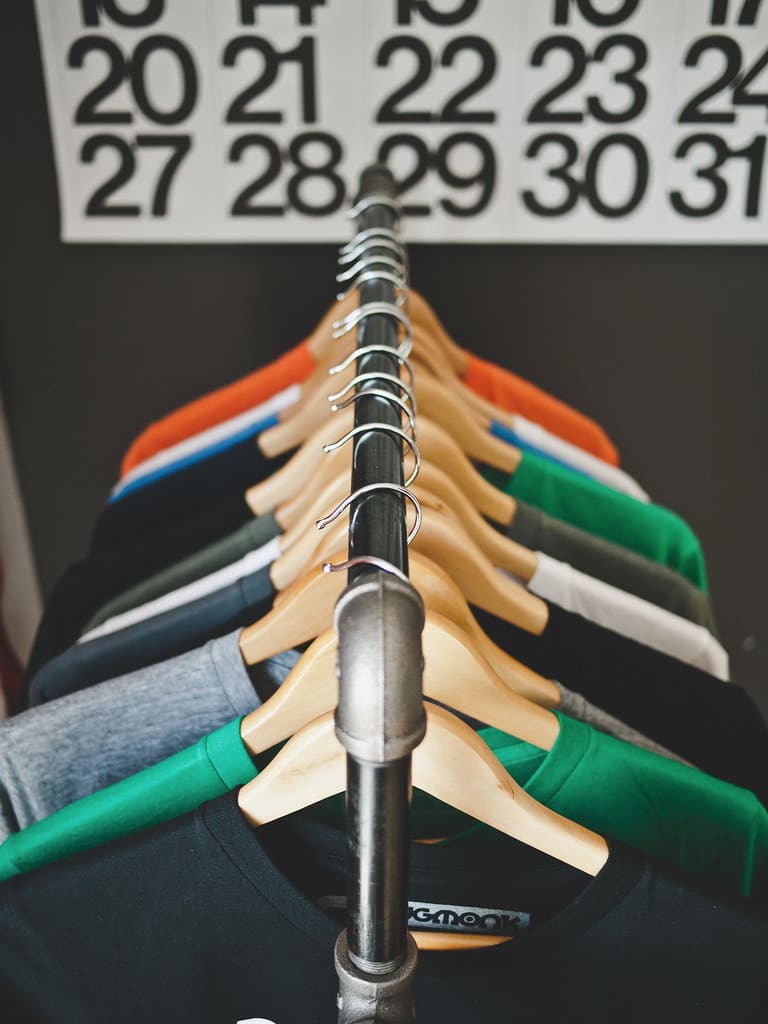
Capsule Wardrobe Math: How Few Pieces Is Too Few
Small closets fail on arithmetic, not taste. The wear rates, laundry cycles, and shoe rest days that set the real floor for a working capsule.
Danny Reyes 5 min
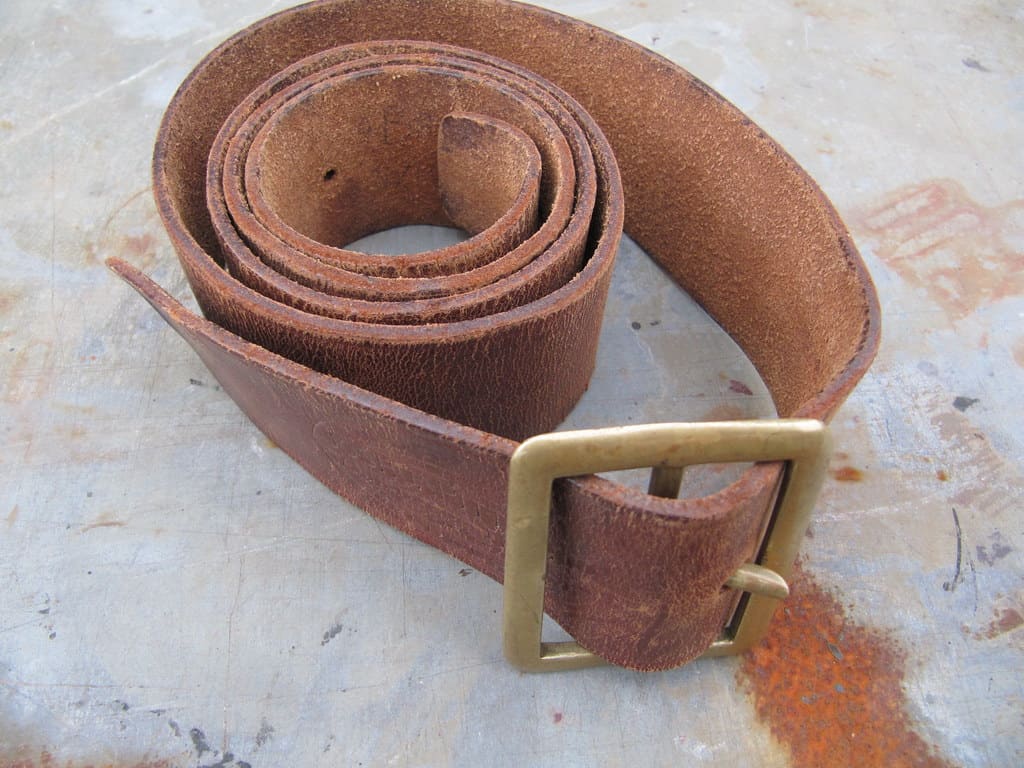
Belt Sizing: Why Your Belt Isn't Your Waist Size
A belt is measured from the buckle fold to the center hole, not around your body, and that one length is the only number worth trusting.
Theo Lindqvist 5 min