Stop 04 · Accessories Buying Guide
Choosing a Work Bag That Lasts a Decade
Weight, materials, stress points and hardware decide whether a bag survives ten years of commuting. The price tag mostly decides how it looks while doing it.
By Theo Lindqvist, Accessories Editor
· 9 min read · 1,841 words
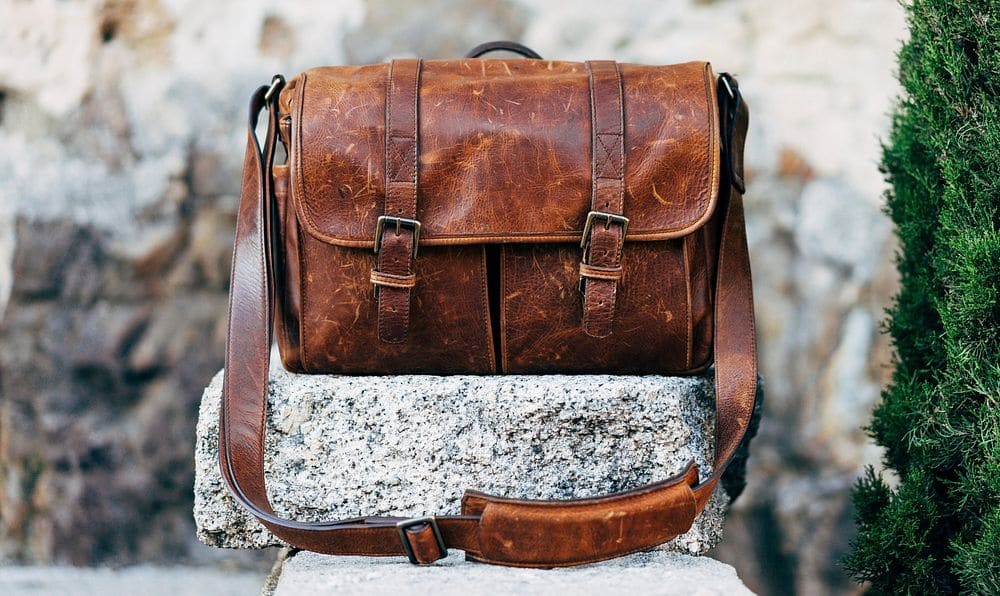
Empty, my work bag weighs a little over 3 pounds. Full, on a normal day, it’s closer to 9: a 14-inch laptop at 3.1 pounds, its charger, a notebook, a water bottle and a sweater I may or may not put on. I know these numbers because I weighed everything on a kitchen scale the week I decided to stop replacing bags every two or three years. It was the most useful ten minutes I’ve spent on any accessory.
A work bag that lasts a decade has a body of full-grain leather, heavy cotton twill or ballistic nylon, handle anchors that are riveted or box-stitched, and hardware in solid brass or steel. Check those in the store, then check the empty weight, because a bag you hate carrying gets replaced long before it wears out.
I spent my twenties on the other plan. I bought a $120 bag, carried it until a strap anchor tore or the coating on the base cracked, and bought another. Over twelve years that came to five bags and roughly $650, and I didn’t own any of them at the end. Hold that number in your head through the rest of this.
Weigh it before you fall for it
Weight is the specification that bag listings bury, and it’s the one your shoulder notices every day. A briefcase in heavy twill and bridle leather typically weighs 3 to 4 pounds empty. A full-grain leather bag with a full lining can run 4 to 5. A ballistic nylon bag of the same size might be 2 pounds, and a thin polyester tote under 1. Those differences sound small until you multiply them. Carry a bag to and from work 230 days a year and an extra 2 pounds becomes 920 pounds lifted, walked and set down again.
I’m not arguing for the lightest bag. Heavy materials are heavy because they’re dense, and density is what resists abrasion. The point is to choose the weight on purpose. If you walk 20 minutes each way or stand on a crowded train, every pound shows up in your shoulder by Thursday. If you drive and the bag goes from the passenger seat to your desk, you can carry almost anything.
There’s a quieter way to save weight, and it’s free: carry less. Most of what’s in a work bag is there out of habit. Mine lost 14 ounces when I moved to a card case and stopped carrying a backup charger, and if your wallet is the size of a paperback, a thinner wallet belongs on the same list.
Then there’s the strap. A shoulder strap should be at least 1.5 inches wide, and 2 is better; anything narrower concentrates the load into a line across the top of your shoulder. A pad helps only if it doesn’t slide. Grab handles should let four fingers through with a sweater on, which works out to about 4 inches of clear drop above the bag.
A backpack spreads the same 9 pounds across both shoulders, and for a long walk it’s the kinder choice for your back. The cost is to your clothes. Two straps press the shoulders of a jacket flat and drag the collar back, and after a year of daily wear you can see the outline of the straps in the cloth. I carry a briefcase with a shoulder strap and switch shoulders at each block. If you rarely wear a jacket, a well-made backpack is a perfectly good work bag, and everything below about materials and stitching applies to it.
Materials that wear in instead of out
Every material on a bag ages. What matters is whether it ages into something you still want to carry. Full-grain leather darkens, softens and takes scratches as character, and most scratches buff out with a little conditioner. Heavy cotton twill in the 15-to-20-ounce range frays slowly at the corners rather than splitting, and it can be rewaxed or patched. Ballistic nylon is close to indestructible in the body but tends to give out at its coating and edges. Corrected-grain leather, the kind with a painted, slightly plastic surface, looks good for two years and then cracks along every fold. Polyester and coated canvas simply wear out.
| Material | Typical working life | Ages by | Repairable? |
|---|---|---|---|
| Full-grain leather | 15+ years | Darkening, softening | Yes |
| Heavy cotton twill | 10–15 years | Fading, soft corners | Yes, patch or rewax |
| Ballistic nylon | 8–12 years | Edge fraying | Partly |
| Corrected-grain leather | 3–5 years | Cracking at folds | Rarely |
| Polyester or coated canvas | 2–4 years | Peeling, pilling | No |
I’d pick between the top two rows on a single question: will this bag get rained on? Leather tolerates a shower if you condition it twice a year, but it doesn’t tolerate a soaking, and water spots on light leather are permanent. Twill shrugs off rain and looks better for the abuse. Leather reads a little more formal. In most offices either one is correct, and a well-made twill bag sits fine next to business casual that isn’t all khaki.
Color is the other half of the material choice. Dark brown leather trim on a tan, olive or navy body goes with nearly anything. If the bag has leather handles and straps, they sit in the same visual family as your belt and shoes. They don’t need to match, as I argue in the belt-and-shoe question, but they shouldn’t fight.
Every bag ages, and the only thing you get to choose is whether it ages into something you still want to carry.
Stress points tell you how long a work bag lasts
Bags almost never fail in the middle of a panel. They fail where load concentrates: handle anchors, strap rings, the bottom corners and the zipper. Turn a bag over in the store and look at those four places first.
At the handle anchors you want stitching in a box-and-X pattern or rivets, ideally both. A single straight line of stitches across a handle tab is a tear waiting for a full laptop. Count stitches per inch where you can. Heavy leather is properly sewn at 6 to 8 stitches per inch with thick thread; go much higher and the holes perforate the leather like a sheet of stamps. Canvas and twill take 8 to 10. Bar tacks, the dense zigzags at the ends of pockets, should be on every point where a seam takes a pull.
Hardware tells you a lot in a few seconds. Solid brass is heavy for its size, the same warm color all the way through, and it dulls to brown. Plated zinc is light and shows gray base metal where the plating chips, usually within two years at the strap rings. Zippers should be metal, in a #8 or #10 tooth size for the main compartment; the slimmer #5 coil zippers on cheaper bags split at the curve. If a bag has a magnetic snap where a strap and buckle should be, assume the snap goes first.
Then look at the bottom. Metal feet or a doubled base keep the corners off wet pavement. A bag set on a train floor twice a day will wear through an unprotected corner in three or four years.
None of this has to be perfect, because a well-built bag can be repaired. Restitching a handle anchor typically costs $30 to $60 at a shop that works on leather, and replacing a main zipper runs $40 to $80. The shop that resoles your shoes often does both, and the questions to ask a cobbler apply here unchanged.
What the Filson Original Briefcase gets right, and wrong
If you asked me for one bag to carry for ten years, I’d point you to the Filson Original Briefcase at $525. It’s made of rugged twill with bridle-leather trim and a brass zipper, it looks right in an office, and it shrugs off a decade of commuting. With most bags that last claim is marketing. With this one it’s a fair expectation. The twill fades and softens at the corners, the bridle leather darkens, and the brass goes brown.
It has two honest limitations. There’s no padded laptop sleeve, so a laptop rides loose against the twill, and the heavy twill and leather add real weight before you’ve packed anything. I solve the first with a padded sleeve at $25 to $40, which adds about 8 ounces. The second you either accept or you don’t. I accept it, because I walk 15 minutes each way. If your commute is a 40-minute walk with a full load, a lighter nylon bag will serve you better, and that’s a fair trade.
I’ll admit I resisted this kind of bag for years because it looked too rugged for a design office. I was wrong about that. After a few years of wear it looks like it belongs to someone who goes places, which in an office reads as competence, and nobody has ever mistaken it for a field bag.
$525 is a lot of money for a bag. It’s also the cost of about four and a half of the $120 bags I used to buy. The table below is the comparison I wish I’d done at twenty-five.
Count the cost per year
| Bag | Price | Typical life | Cost per year |
|---|---|---|---|
| Polyester tote | $60 | 2 years | $30 |
| Corrected-grain leather | $180 | 4 years | $45 |
| Ballistic nylon | $250 | 10 years | $25 |
| Twill and bridle leather | $525 | 12 years | $44 |
| Full-grain leather | $700 | 15 years | $47 |
Read it honestly and the expensive bag doesn’t win on cost alone. Good ballistic nylon at $250 is the cheapest per year of carry, and I didn’t expect that when I first ran the numbers. The twill-and-leather briefcase costs about the same per year as a corrected-grain bag. The difference is what you’re holding in year nine: one has aged into something, and the other went in the trash in year four and you’re on your third.
The table can’t show two things. A repairable bag outlives its typical life, because an $80 zipper at year eight buys another five years. And a bag you like carrying gets used, while a bag you resent gets replaced early. If nylon fits your life, buy the best nylon you can find and don’t let anyone make you feel underdressed about it.
For travel, the same bag doubles as the personal item under the seat. I’ve done a week with a briefcase and one carry-on, and packing a week into a carry-on is easier when the second bag has a flat bottom and a wide opening. The rest of our accessories guides run on the same cost-per-year arithmetic.
The verdict: Buy one bag with a body of full-grain leather, heavy twill or ballistic nylon, riveted or box-stitched handle anchors, solid brass or steel hardware and a metal #8 or #10 zipper, and weigh it empty before you pay. If you walk more than 20 minutes each way, choose ballistic nylon; otherwise buy a twill-and-leather briefcase like the Filson Original Briefcase and add a $30 padded sleeve for the laptop.
In this story
How we make money: some links below are affiliate links. If you buy through them, Via may earn a commission. It never changes the price you pay, and it never decides what we recommend. Full disclosure.
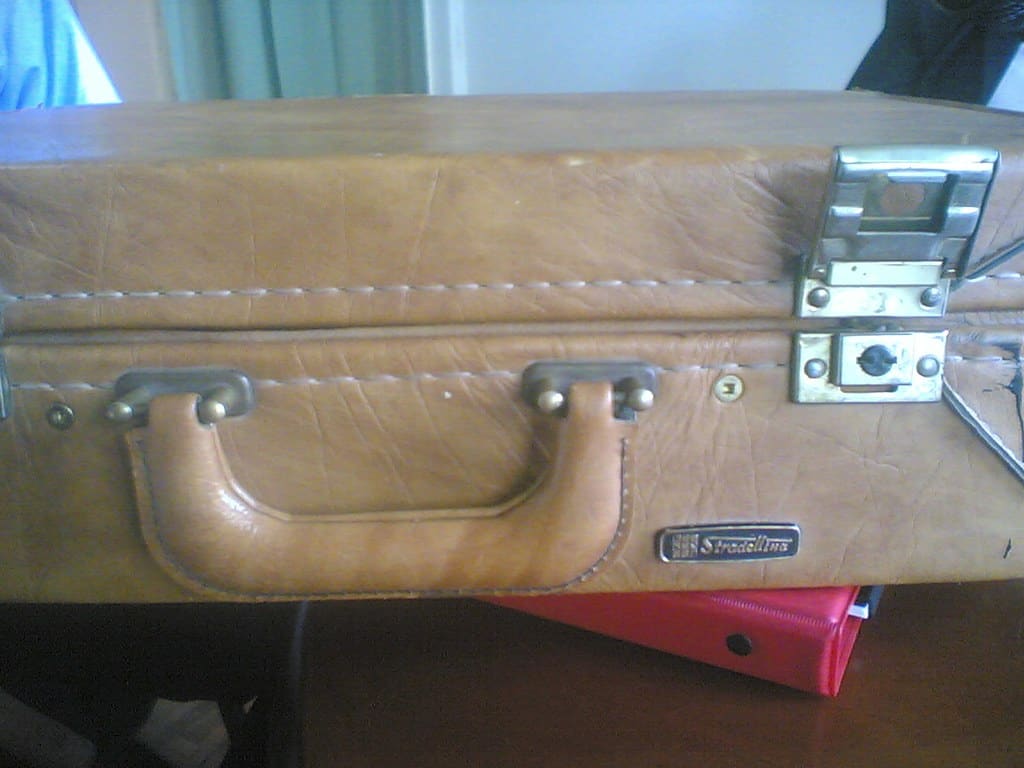
Investment · $300+
Filson Original Briefcase
Rugged twill with bridle-leather trim and a brass zipper; it looks right in an office and shrugs off a decade of commuting.
Won't do: There is no padded laptop sleeve, and the heavy twill and leather add real weight before you've packed anything.
Next stops
All Accessories guides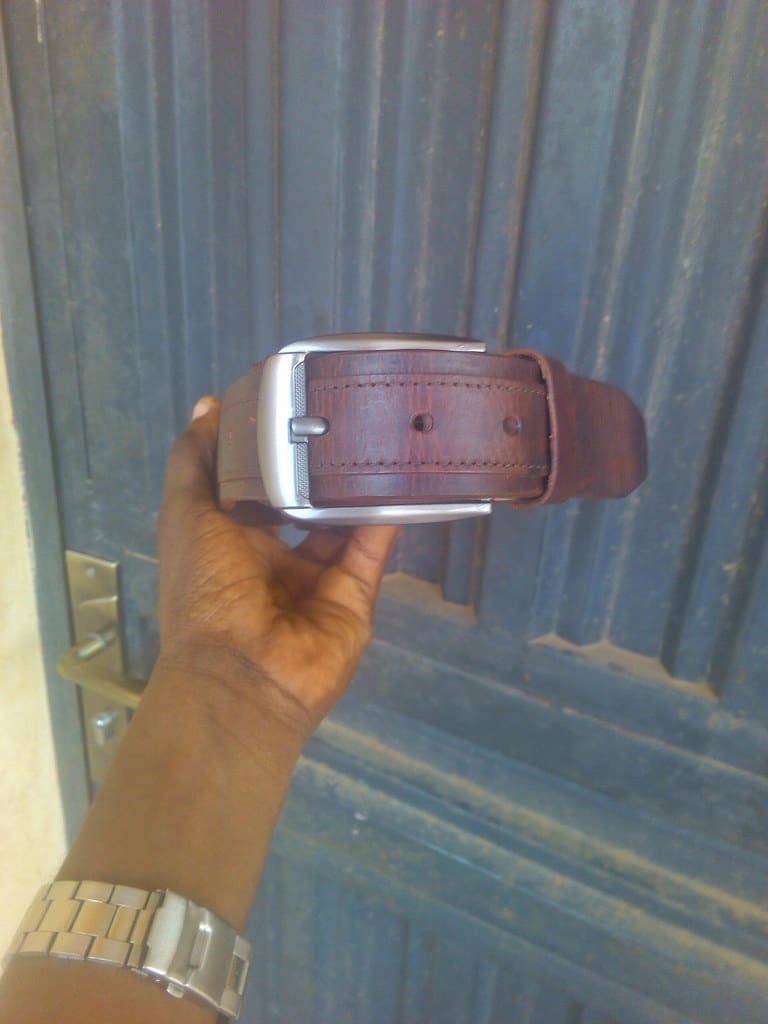
Do Your Belt and Shoes Have to Match?
With a suit, match them closely; with jeans, the rule loosens. It follows the trousers, and two belts are enough to cover it.
Theo Lindqvist 6 min
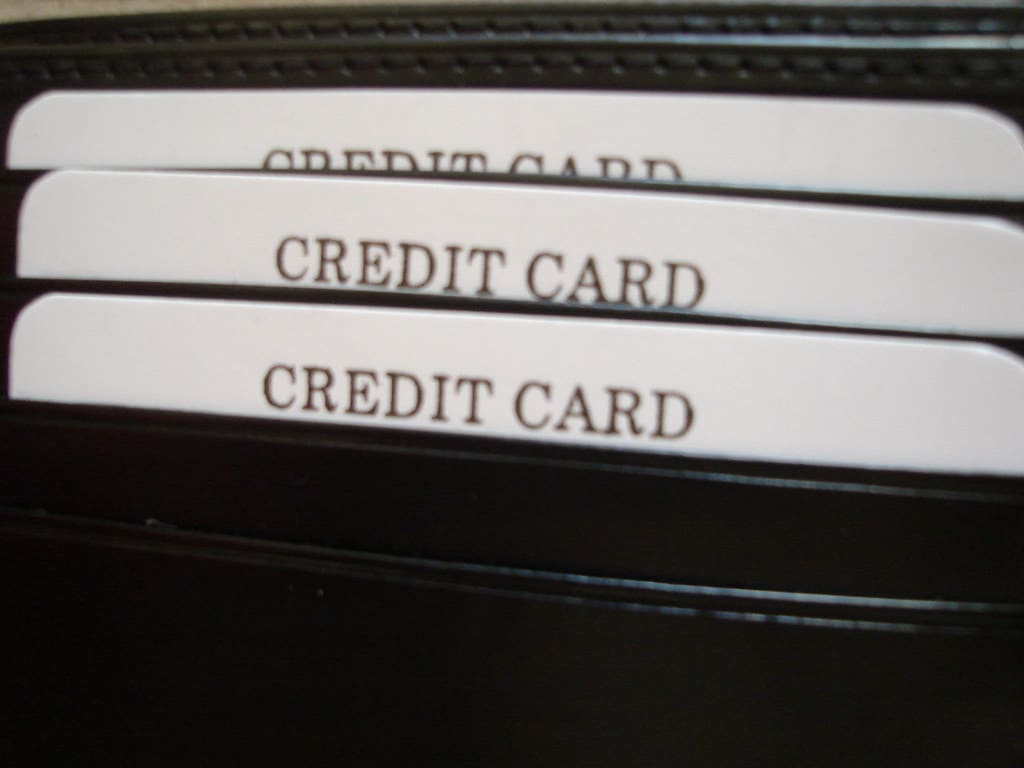
The Case for a Thinner Wallet
Most wallets are thick because of what's in them, not how they're made. Carry six cards in half an inch of leather and put the rest somewhere else.
Theo Lindqvist 6 min

The Shoulder Is the One Fit You Can't Fix
Sleeves, waists, and hems are a tailor's daily bread, but a shoulder that is wrong in the store will be wrong for the life of the jacket.
Julian Okafor 8 min