Stop 02 · Care & Repair Care Basics
Cedar Shoe Trees: The Cheapest Insurance You'll Buy
Thirty dollars of unfinished cedar will add years to a pair of good shoes. Why it works, how to fit it, and where it falls short.
By Walt Brennan, Care & Repair Editor
· 7 min read · 1,558 words

One to two ounces. That’s roughly how much a foot sweats over a full working day, and a good share of it goes straight into the leather lining and insole of your shoes. Pull them off tonight and put your hand inside one. It’s warm and clammy, like a shirt after a summer walk. What happens to that moisture over the next eight hours decides how long the shoes last, and it’s the whole case for cedar shoe trees.
Kick them into the closet and the leather dries slowly, in whatever shape the shoe collapsed into. The creases across the vamp set deeper. The lining stays damp long enough to smell. Do that a few hundred times and you’ve got a pair that looks tired at a year old.
Slide in a pair of trees instead and the morning looks different. Unfinished cedar pulls sweat out of the lining overnight, and the tree’s spring holds the vamp flat so the creases dry shallow instead of setting deep. Put them in the minute your shoes come off, leave them in at least 24 hours, and a $30 pair will add years to a $300 pair of shoes.
I keep a bench in my garage, and every evening there’s the same small routine: shoes off, trees in, onto the shelf. The cedar gives off a faint, sweet, pencil-shaving smell when you twist it into the heel. By morning the shoe is dry, the toe sits flat, and the creases have relaxed. Nothing glamorous about it, and it’s still the best $30 you’ll spend on your shoes.
Cedar shoe trees do two jobs at once
The first job is shape. When you walk, the leather over the ball of your foot folds into creases. While it’s warm and damp, those creases are soft. As it dries, they harden where they are. A tree pushes gently forward into the toe and back into the heel, holding the vamp flat while it dries, so the creases cool out shallow. It also stops the toe from curling upward, which happens to any shoe left untreed long enough. If you’re breaking in stiff new shoes, this matters twice over, because the first creases a shoe takes are the ones it keeps.
The second is moisture. Unfinished cedar is porous and drinks water out of the lining. Plastic trees hold shape but do nothing for moisture. Lacquered wooden trees aren’t much better, because the finish seals the wood shut. Your socks play a part too, and choosing socks by fiber changes how much sweat ends up in the leather: cotton holds it against your skin until it soaks through, merino moves it along.
Then there’s the smell. Aromatic cedar keeps the inside of a shoe smelling clean, and the scent is how you know the wood is still working.
What separates a good tree from a useless one
Trees run from $8 to $80, and the differences come down to four things you can check in the store.
Start with the wood. If the tree is shiny, it’s varnished, and it won’t absorb anything. You want raw, slightly rough cedar that leaves a faint scent on your fingers.
Then look at the heel. Cheap trees often end in a narrow knob at the back, sometimes just a metal spring hooked into a small wooden ball. That knob presses on one point of the heel counter and can push it out of shape over a few hundred nights. A full, carved heel spreads the pressure across the whole back of the shoe.
The toe should be split lengthwise into two halves, so it can spread a little to fill the width of the shoe. A solid toe only fills a shoe of exactly its own width. Last, the spring. It should press firmly without stretching anything, and if you have to fight to get the heel in, the tree is too long.
| Type | Typical price | Absorbs moisture | Holds shape |
|---|---|---|---|
| Plastic spring tree | $8–$12 | No | Somewhat |
| Lacquered wood tree | $20–$40 | Barely | Yes |
| Unfinished cedar, full heel | $25–$35 | Yes | Yes |
| Maker-matched lasted tree | $60–$80 | Depends on finish | Best fit |
That last row deserves a word. Some makers sell trees carved to match the exact last of their shoes, and they fit beautifully. But a well-chosen cedar tree at a third of the price does nearly everything a lasted tree does, and it does the moisture job better if the lasted tree is lacquered.
I learned that one the slow way. For years I kept my good shoes in a set of varnished beech trees that looked handsome on the shelf. The shoes held their shape fine. The linings still smelled like a gym bag.
A pair I keep buying, and its one weakness
The tree I reach for most is the Woodlore Epic Cedar Shoe Tree, at $30 a pair. It’s split-toe aromatic cedar with a full heel, and it does exactly what I’ve described: it pulls moisture out of the lining overnight and holds the vamp flat so the creases relax. The cedar is unfinished, the spring has good tension, and the heel is carved wide enough to sit properly in a dress shoe or a boot.
Thirty dollars of raw cedar does more for a shoe than anything in a tin.
Its limitation is sizing. The Epic comes in broad bands, each covering more than one shoe size, so very narrow or very short lasts may not fill out properly. If your shoes run long and slim, the toe may sit loose up front, or the tree may press on the sides more than the toe. If you wear an unusually short boot, the heel may not reach the back. In those cases try the smaller band, or accept that one odd pair needs a different tree. For the common American lasts most of us wear, say a US 10D, the fit has been good in my experience.
When you fit any tree, the toe should touch the front of the shoe without bulging it, and the heel should seat fully in the heel cup. Then look along the vamp. If the leather tightens into a shine across the top, the tree is too big.
Every night, for at least 24 hours
Owning cedar shoe trees isn’t the same as using them right. Put them in the moment you take the shoes off, while the leather is warmest and dampest. That’s when the cedar does the most good. Wait until morning and the creases have already set.
Give them at least 24 hours. A tree needs a full day to pull out most of the moisture, which is a big part of why rotation matters. Wear the same pair every day and the leather never dries all the way through.
Own one pair of trees per pair of shoes in rotation. You can move one set between shoes, but it defeats the purpose, because the pairs you’re not wearing are the ones drying out. Five pairs of good shoes means five pairs of trees: $150 protecting maybe $1,500 of footwear.
On the road I pack trees for the dress shoes and skip them for sneakers. If you’re packing a carry-on for a week, the trees ride inside the shoes and cost you nothing but a few ounces.
For long storage, like boots over the summer, trees are fine, but pull them out once a month and let the shoe breathe. And refresh the wood. After six months to a year the cedar loses its scent and some of its thirst as the surface fills with salts and oils from your feet. Sand it lightly with 220-grit paper and both come right back. Treated that way, a pair lasts decades.
The arithmetic of $30
“It makes your shoes last longer” is easy to agree with and easy to ignore, so here it is plainly.
| Without trees | With trees |
|---|---|
| Creases set deep within months | Creases stay shallow for years |
| Lining stays damp overnight | Lining dry by morning |
| Toe curls upward over time | Toe stays flat |
| Odor builds in a season | Odor stays faint |
On a $300 pair, an extra year or two of life is worth $100 or more. On a pair you’ve resoled twice, the upper is the thing you’re protecting, because it’s what makes a shoe worth resoling at all. A deep crack along a crease line is one of the few things a cobbler can’t truly fix. He can patch it, but it never looks right again. Trees prevent that crack from the inside, and conditioner and cream keep the leather supple from the outside.
I have shoes on my garage shelf that are older than my nephew. They’ve been resoled three times and sat in cedar every night of their lives. If you want the rest of that routine, our care and repair guides cover it, but trees are where I’d start.
The verdict: Buy one pair of unfinished, split-toe cedar trees with a full heel for every pair of leather shoes you rotate, and put them in the minute you take your shoes off. The Woodlore Epic at $30 is the one I recommend for standard American lasts; if you wear very narrow or very short shoes, try the size before committing, and sand every tree lightly once a year to keep it working.
In this story
How we make money: some links below are affiliate links. If you buy through them, Via may earn a commission. It never changes the price you pay, and it never decides what we recommend. Full disclosure.
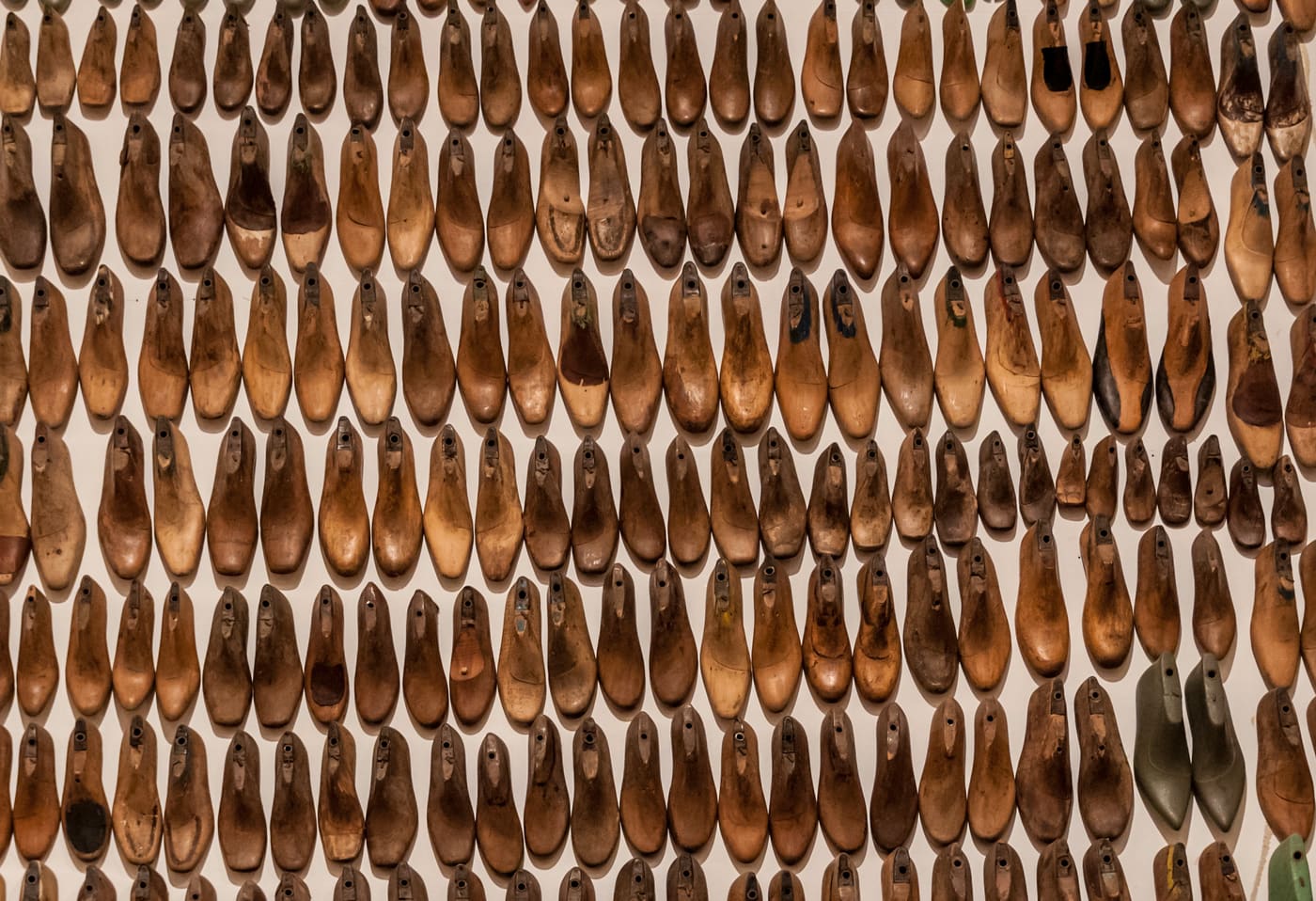
Entry · under $100
Woodlore Epic Cedar Shoe Trees
Split-toe aromatic cedar trees with a full heel; they pull moisture out of the lining overnight and hold the vamp flat so creases relax.
Won't do: Sizing is in broad bands, so very narrow or very short lasts may not fill out properly.
Next stops
All Care & Repair guides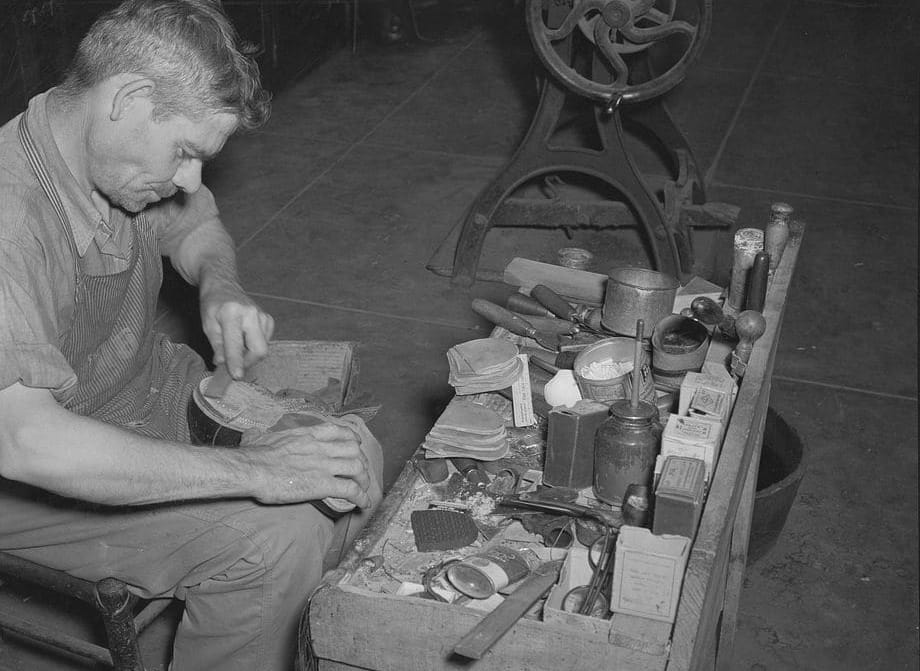
When to Resole: Reading the Wear on Your Soles
Your soles keep a record of every mile. Learn to read it, and you'll resole at the right moment instead of paying to rebuild a ruined shoe.
Walt Brennan 8 min
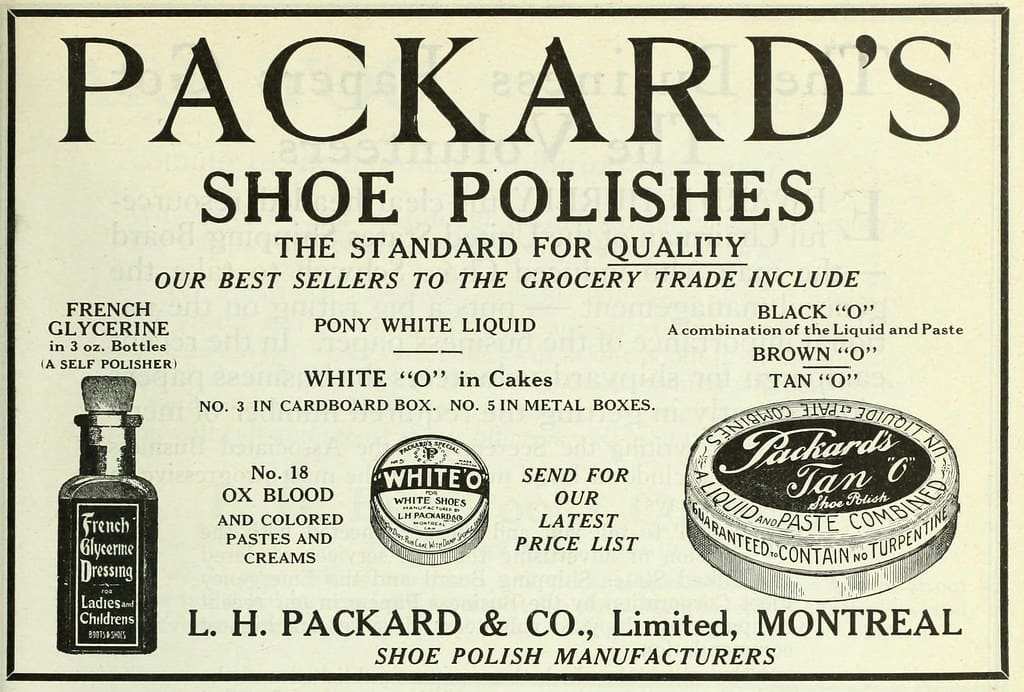
Cream, Wax, or Conditioner: What Each One Actually Does
Three tins, three different jobs. Use them in the right order and your leather stays supple and protected; mix them up and you build a mess.
Walt Brennan 5 min
Raw Denim, Year One: What Actually Happens
A month-by-month account of breaking in one pair of raw jeans: the stiffness, the crocking, the first soak, and when fades actually show up.
Danny Reyes 6 min